Moved into action

C76A2730-B90F-4F99-9D80-4FB07E4152C4
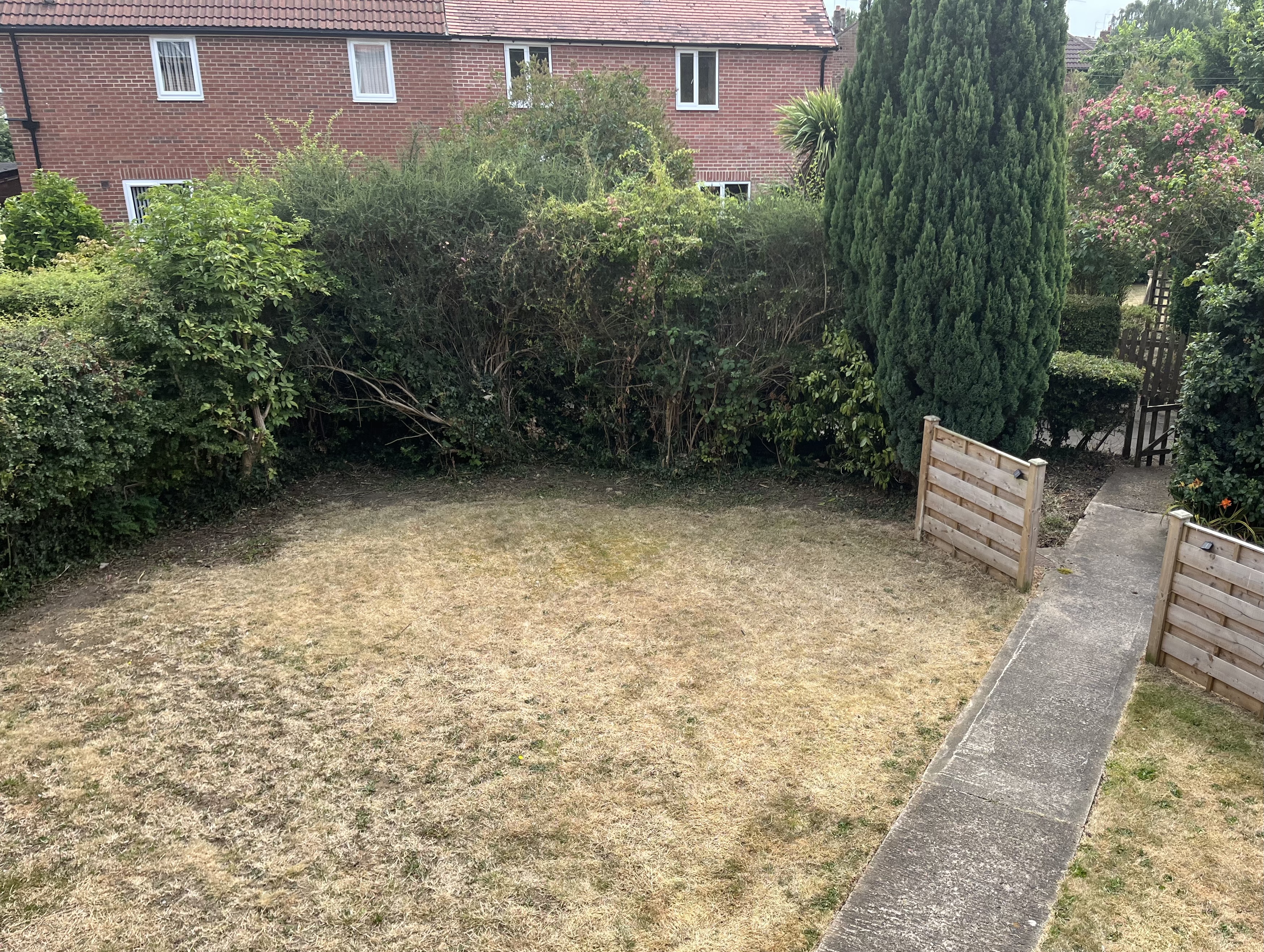
The kitchen in my new home. Can anyone find the kettle?

I think of myself as someone who doesn’t readily worry about life’s curveballs and if obstacles cross my path then I will find a way to overcome them.

But I have been pushed to the limit these past few weeks with the challenge of moving house. It is said to be one of the most stressful life events that we have to face, and boy has that proved true this time. Although I have a large support network of friends and family, it has still been exceptionally challenging.

I wonder if it is because I have been ‘triggered’? This is the expression that is in common use now to explain why certain experiences can spark in us what might seem to others a complete overreaction. But the reason we do that lies in some past trauma that has been dormant in the subconscious, something we have managed to bury in the hope that it will never be exposed to daylight again.

But then, BOOM! The memories of that trauma erupt when we are confronted with our trigger. It could be a smell that reminds you of a childhood drama, a piece of music that transports you back in time, or the repetition of the experience that caused the trauma in the first place.

Is the reason that I am finding this time so stressful because it has triggered memories of being forced to move out of the family home six years ago? Last time I moved it was after I had fought tooth and nail to stay in the house we loved following my divorce, but in the end it just wasn’t possible and I had to sell.

Our house sold quickly to a lovely couple living in a rented property with cash at the ready. I naively thought that because I was going to rent and a chain was not involved that it would be a fairly straightforward process. Silly old me. The solicitors on both sides seemed to have a deep seated aversion to communicating with their clients, never mind each other. Finding a new rental property was nigh on impossible without a moving date, and the solicitors seemed unable to fix one. Eventually, after months of procrastination for no apparent reason, I got so frustrated with the lack of progress that, against the advice of my solicitor and estate agent, I contacted my buyer directly. She was equally frustrated and we had a very reasonable discussion about when to move, and between us agreed a mutually convenient date which we took back to our solicitors.

With the date set, I was able to go in search of a home. I booked a removal company for that date and when they asked me where I was moving to they thought I was joking when I said ‘I don’t know, probably somewhere in the York area’.

A frantic search followed where I was on the property apps first thing every morning looking for any new rentals that appeared. In and around York, the good ones were being snapped up immediately, and the fact that very few would allow dogs meant the available pool was even smaller. I was barely sleeping with the worry of it all.

It was a Tuesday morning, just 13 days before moving day, that I spotted a beacon of hope. A three-bedroomed house with a secure garden popped up that looked like it would fit the bill. The listing said there would be an open day the next Saturday for potential tenants to look round. But I simply could not wait that long. I begged the agent to phone the landlord to let me view before then. By a stroke of luck, he was at that every moment inspecting the property and said I could go and see it immediately. I raced round and, without properly looking at it, blurted, “I’ll give you six months’ rent upfront. Can I have dogs?”

I don’t think I’ve ever felt relief like it when he said yes and, six years down the line, despite the tricky start, I can honestly say we ended up being very happy in that house.

So as I reflect on that experience, typing this among the unpacked boxes in our new home, I’m sure that when the dust has settled, we really are going to be very happy here too.

Read more at countrymansdaughter.com. Follow me on Twitter @countrymansdaug

This column appeared in the Darlington and Stockton Times on 7th and Ryedale Gazette and Herald on 5th October 2022
Immersed in the past

F7B8A133-17F7-48F5-9816-1D48A5F48B46
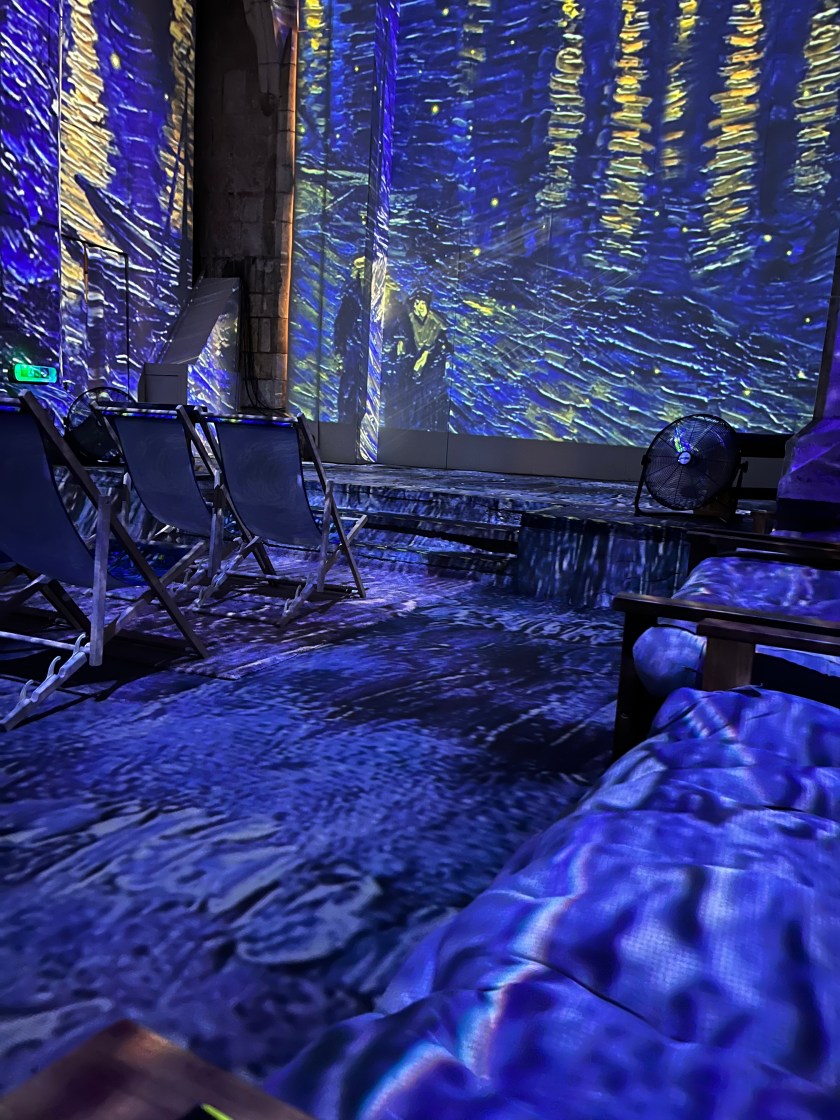
The immersive Van Gogh exhibition was an unusual and fascinating way to learn about the artist and experience his work
617BBB31-7187-45B3-9975-541E9A450E62
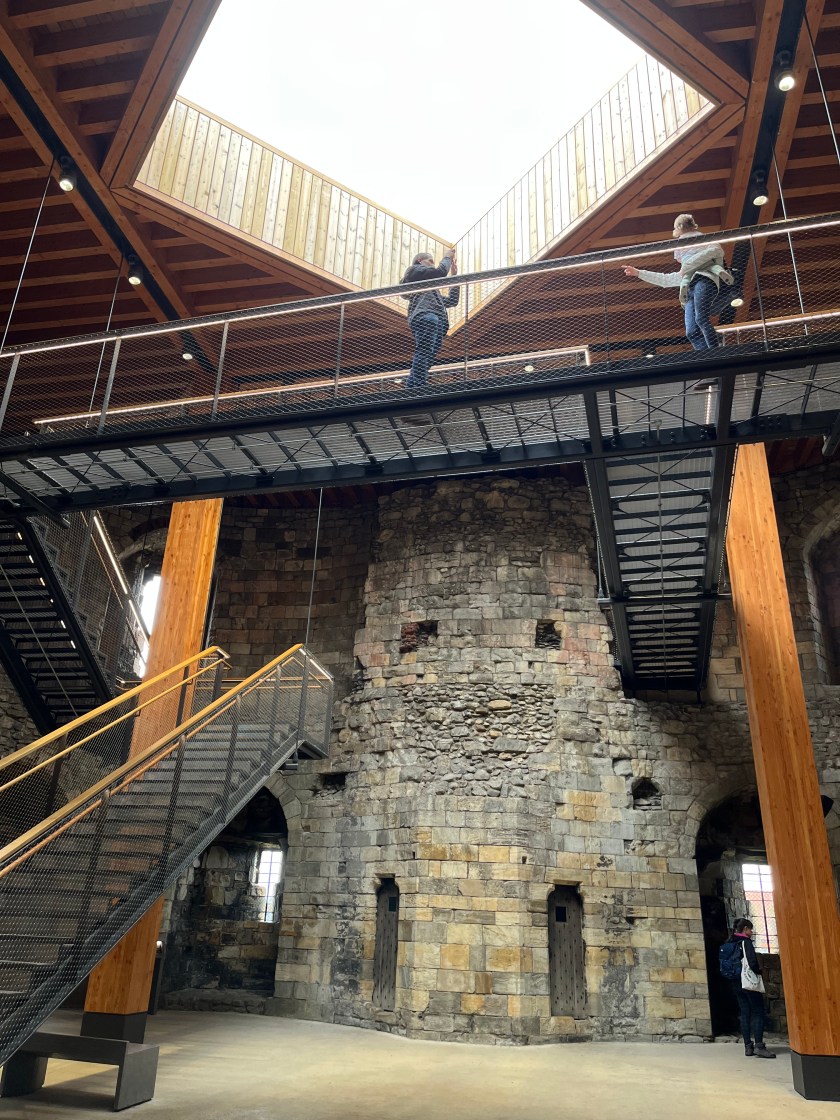
New internal walkways mean we can see parts of Clifford’s Tower in York that were previously inaccessible, such as the Royal Latrine
4FE02C99-E074-4FDC-8598-5931222D9D2F
The flushing loo in Clifford’s Tower, York, built for King Henry III in the 13th century. Rainwater was collected in a cistern on the roof which was channelled down to the toilet, entering from the left-hand side (where the yellow light is shining).

When you live somewhere that attracts tourists, you often neglect to go to see for yourself the sights that lure them in. York has been voted one of the most popular destinations time and again, and yet, even though I live close to it, I hardly ever make time to visit those things that make it so. It’s easy to see why it does so well in those polls, with its streets and buildings oozing history, its ancient character preserved around many a corner.

I was flicking through a book recently which showed ‘then and now’ pictures of parts of the city that have disappeared through development. It was sad to read how whole sections were levelled, such as large parts of the ancient Roman walls, torn down in the name of progress. We shudder to think of that happening now and thank goodness much of the walls remain in tact giving the city its unique quality.

I had heard that the immersive Van Gogh exhibition which was touring the country was due to land in York. For a change I got off my backside and booked tickets rather than let it become just one more on a long list of things that I wished I’d seen or done but never got around to. I was also keen to see the re-opened Clifford’s Tower with its new high walkway crossing right over the centre of the tower, and the brand new rooftop platform affording panoramic 360° views.

I forced my middle son to emerge from the black hole that is his bedroom and come with me, and we spent a lovely few hours together. The immersive exhibition, where you sit in a darkened church surrounded on all sides by sound, colour, voices and moving images, was an enjoyable and unusual way to appreciate not only Van Gogh’s art, but also what he went through as an insanely talented yet deeply troubled man. It’s so sad to think he only sold one painting during his lifetime, and yet his work now sells for tens of millions of pounds.

Clifford’s Tower has such a chequered history that it is a testament to its construction that it is still standing. Built in the 11th century by William The Conqueror to repel the rebellious northerners, it has seen life as a royal mint, a mediaeval stronghold and a civil war garrison. It is possibly best known for being the scene in 1190 of the terrible massacre of the city’s Jewish community after they had taken refuge inside from a violent mob. With no chance of escape, many took their own lives rather than be murdered. They set fire to their belongings too, which in turn set the timber tower ablaze. The stone tower that we see today was built 60 years after the massacre.

The construction of new staircases and walkways means parts of the tower that were previously inaccessible are now available to view, including a room called the ‘garderobe’, or the King’s Latrine. Built in the mid-13th century for Henry III, it resembles a stone throne built into the wall and set over a hole in the floor to channel the waste outside. Originally it would have had a wooden seat, and what is remarkable is that it had a flushing system. A cistern on the roof would collect rainwater which swooshed down a shaft to the toilet, rinsing away all the nasties. This was a full 300 years before the flushing toilet was said to have been invented, and is believed to be the only surviving example in England.

On the way home, in stark contrast to the grand history of Clifford’s Tower, we drove past the site of the Mecca Bingo hall. Built in 2003, it can only be described as an eyesore, and what’s worse is that York Council planners in all their wisdom sacrificed the 1930s art-deco Rialto building next door to make way for the bingo customers’ car park. It mattered not that during its remarkable history, the Rialto hosted the Beatles four times in the 1960s.

The huge Mecca Bingo hall, just 19 years after it was built, has just been reduced to a pile of rubble as construction of student flats begins. It makes me wonder, will there come a day when we will regret pulling down this example of turn of the millennium architecture?

Read more at countrymansdaughter.com. Follow me on Twitter @countrymansdaug

This column appeared in the Darlington and Stockton Times on 30th and Ryedale Gazette and Herald on 28th September 2022

Still being outfoxed

B1E9AFF5-EE03-4252-8C3E-E77557F0A122
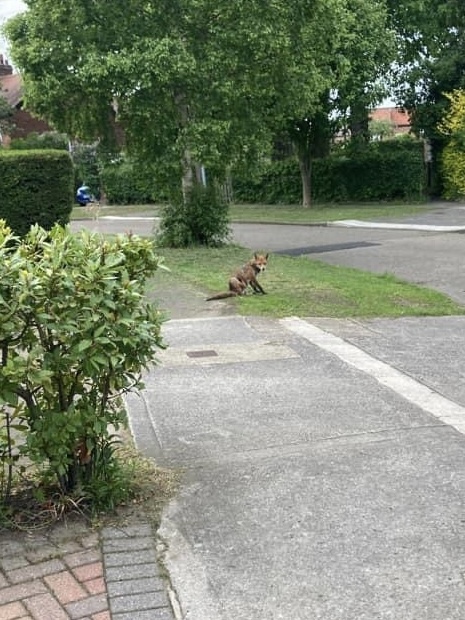
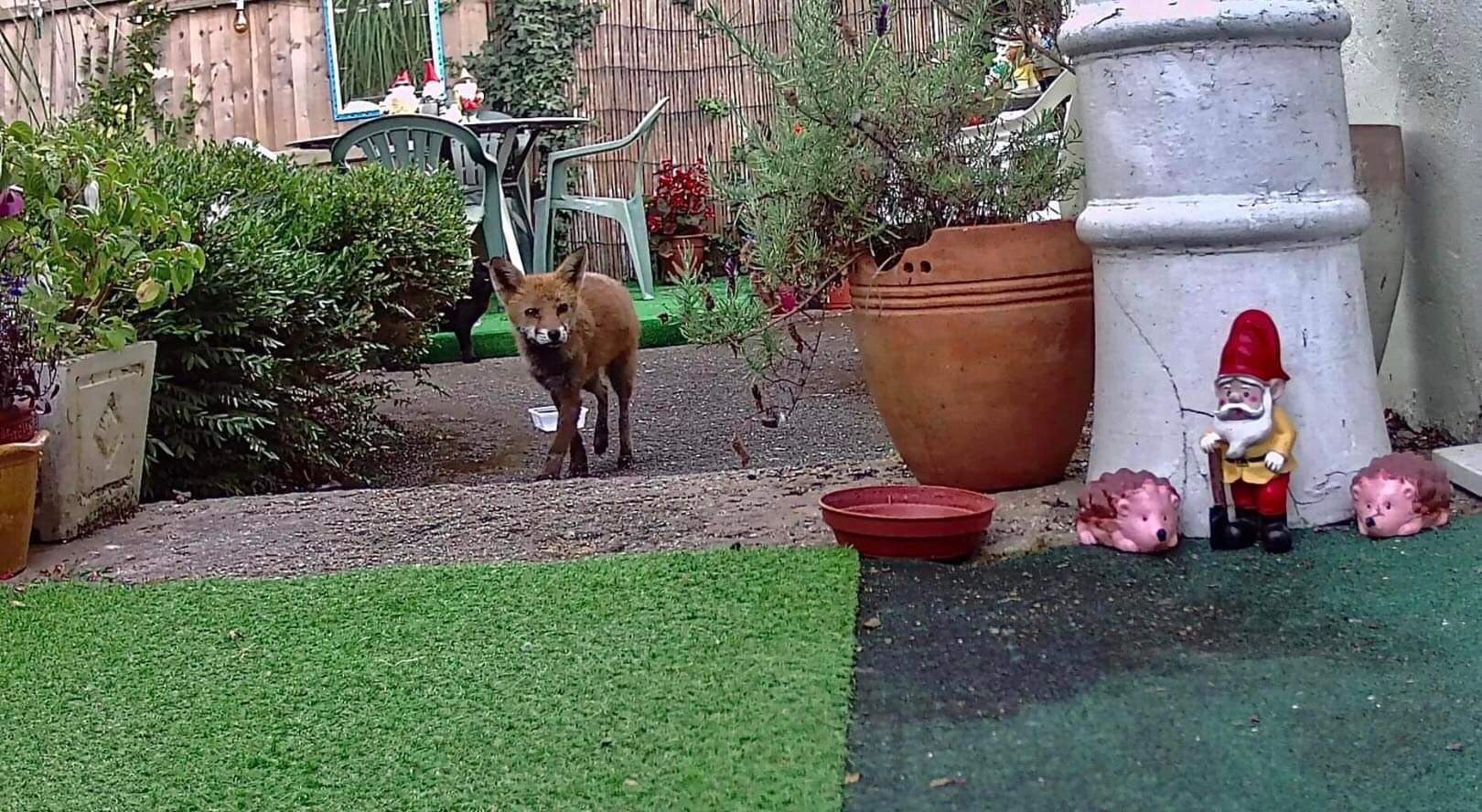
The crafty fox spotted outside my sister’s house after chasing her poor cat Winnie

My column about the fox harassing my sister’s cat the other week drew a fair amount of feedback from you lovely readers. It seems foxes split opinion. If they are minding their own business and not causing harm to local pets or livestock, then it is very pleasant to observe them going about their business.

If, however, you or your animals are a target for their attentions, then they really are quite a pest. I know several people who have lost hens and pet rabbits to foxes who have managed to get into their runs, which must be heartbreaking. Having said that, I’m not here to stir up the debate about culling foxes or fox hunting as a pastime as I’m not educated enough on that subject to argue on either side. I couldn’t participate in it myself because I’m squeamish at the thought of killing animals for sport, but then I do understand there is a need to control the fox population in general.  

Lucien Smith lives in London and says: “I see foxes on a regular basis, running across four lanes of traffic, skipping happily down residential streets at night.” But he is not convinced by my suggestion that they only attack cats that threaten their young. A number of his cats have vanished and he believes the fox is to blame. “I’m still very wary,” he says.

And I think my sister would agree, as the fox still seems to be deliberately targeting her cat Winnie, whether she is in the back garden or at the front of her house. “We see it quite often after my little cat. Thankfully Winnie is very quick!”

Clare Proctor, who moved from a city into a village a couple of years ago, laments the fact that she rarely sees foxes. “We have never encountered foxes at home. Maybe now that we live in the country, and they have moved into town, we never will!”

And Alison Mulhearn is a fan of the red-coated urban visitor: “We see loads, not in the garden but close to us. I love to watch them.” I do wonder how other readers feel about this most common, but undeniably handsome, native member of the wildlife community?

Most of us know that the fox is often referred to as ‘Reynard’. The name descends from a cycle of mediaeval tales told across Europe, originally in old French, where the main character was Reynard the Fox, a cunning trickster who lived in a world of talking animals. Here in the north of England, the fox is colloquially known as ‘Tod’. I know a fair few people with the surname Todd, and in the 15th century, by permission of King Henry VIII, church wardens offered money for every fox head they were given. Men who became adept at capturing foxes were given the name ‘Todman’ and ‘Todhunter’ which, alongside Todd, are common last names in the north. Some suggest that the town of Todmorden in West Yorkshire means ‘marshy den of the fox’.

Despite the fox appearing in plenty of myths and legends, compared to other creatures, there are not many superstitions associated with them. In Wales, if you see a fox in the morning, then you will have a good day, but in certain parts of England, it is better to see them at night. In Ireland, if a fisherman saw a fox en-route to his boat, then he would turn tail and head home again.

We are warned not to think about foxes while while cutting our fingernails as that will bring bad luck. Naturally though, once we are told that, trying not to think of a fox while we do it is nigh on impossible. It’s like serving at tennis. If you miss your first serve, this little voice enters your head to say, ‘Don’t do a double fault’, seconds before your next serve lands in the net. It’s the same when you’re on a country walk and there are no toilets for miles around. Once that thought enters your head, suddenly you’ll be bursting for the loo.

So obviously my next questions is, what would you do in that situation? Find a suitable bush to crouch down behind? Or brave it out, hold on, and simply walk faster?

I know what I would do, but I’ll leave you to guess what it is!

Read more at countrymansdaughter.com. Follow me on Twitter @countrymansdaug

This column appeared in the Darlington and Stockton Times on 23rd and Ryedale Gazette and Herald on 21st September 2022

A message for lowlifes and cowards

1464439B-9BD5-4CF8-AB0A-12A73A22FCF4
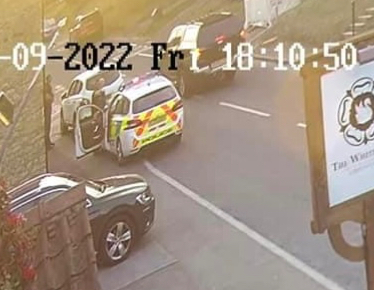
The moment the thieves were caught was captured on CCTV (picture used by kind permission of Rob Fawcett)

North Yorkshire and some its most well-known hotspots often appear in surveys of top places to live in the UK. Those of us who reside here know why, and love our county above all others, appreciating its beautiful scenery, quaint villages and friendly neighbourhoods.

My dad was so proud of it that he used it as the setting for nearly every book he wrote, showcasing the landscape and celebrating the characters that made up such strong local communities. In many places, we still hold on to the values that we grew up with, assuming it is safe to leave money outside for the window cleaner, or a bag on the door knob for the veg man to fill knowing it won’t get stolen. This climate of trust has evolved over generations, and our elderly loved ones leave their doors unlocked so neighbours can pop in and check all is well. If one of our community is in need, then the village leaps in to help, offering lifts to the doctor, popping into town for shopping, making a meal or simply coming round for a chat. It’s the kind of idyllic life that you see on the TV in shows like Heartbeat, All Creatures Great and Small and Last of the Summer Wine.

So you can imagine how heartbroken I was to learn that some absolute lowlifes have destroyed the feeling of trust and safety in my home village. There has been a spate of burglaries by some toe-rags who think that preying on the elderly is an acceptable way to make a living. These smartly-dressed and well-spoken young people were pretending to be selling items, then blagged their way into the homes of residents and pilfered whatever they could quickly lay their hands on. On another recent occasion (whether it was the same lot I don’t know), they broke into bungalows to steal money and jewellery from vulnerable people in their eighties and nineties.

I understand why people with financial or mental health problems can lose all sense of perspective and there are many heartbreaking reasons as to why they feel the need turn to crime to escape their reality. But what I don’t understand is why they have no care for the long term impact on their vulnerable victims. I’ve seen documentaries about this sort of thing, where thieves attempt to justify their actions by declaring ‘the insurance will pay them back’. But it’s not about the material stuff is it? It’s about causing untold and lasting mental trauma on a person who should feel safe in their own home, who should be able to live out their final years in peace and security.

Why don’t they stop for one moment to think how they would feel if their granny or grandad was too afraid to stay alone in their house because some moron broke in and robbed them of their tranquil life?

The good news is that in the latest incident the swindlers were caught the same day thanks to the very strength of that community bond that I mentioned earlier. Please note those of you who might be tempted to try this kind of distraction burglary in a North Yorkshire village again: We know each other well, we know what’s going on because we look out for one another and are familiar with the routines of our residents. We easily spot when something is amiss and will be straight on to our friends, neighbours and the police. And with the benefit of social media, if you’re up to no good, that news will be spread at breakneck speed.

In this latest case, the community became like a team of detectives. One post on Facebook was all that was needed, with people from every part of the village watching out and reporting what they had seen and when. By the end of the day, the three ratbags had been caught and were in the hands of the police, and hopefully, those that lost possessions had them returned to them.

I suppose one good thing about this is that now we know how they work, we know their modus operandi (M.O.) and so will be on guard for it in the future. But even so, the repercussions will last for a long time and people like my mum will no longer feel safe leaving their doors unlocked.

Read more at countrymansdaughter.com. Follow me on Twitter @countrymansdaug

This column appeared in the Darlington and Stockton Times on 16th and Ryedale Gazette and Herald on 14th September 2022

Two bees or not two bees?

A2EB9163-94E7-4003-8C12-C3F4E8BE6606
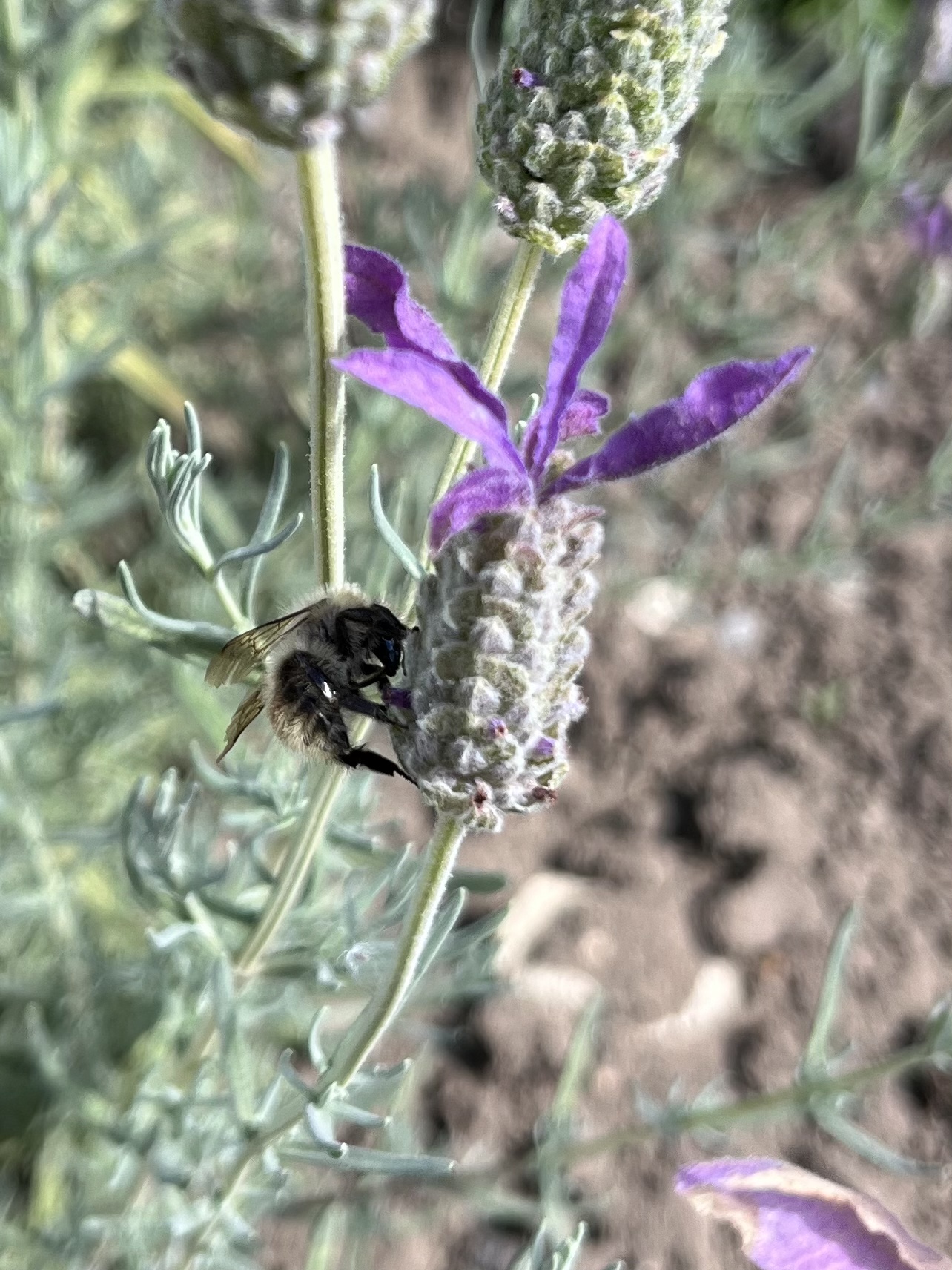
The monochrome ashy mining bee is a solitary bee that lives in underground burrows in coastal and moorland areas

You might remember that I recently wrote about some curious pea-sized holes that had appeared on one of my walking routes. It was the day after Warmageddon, the hottest day of the year, and I wondered whether it could be subterranean worms coming to the surface in a bid to escape the scorched earth surrounding them.

I was contacted by John Randles of Westerdale who thought they might have been made by a type of bee known locally as sand bees. A bank behind his house was littered with little holes and his friend said they were made by this bee. John also told me that sand bees will only emerge if the weather is just right. Too hot or too cold, it will keep to its burrow.

I tried to find out a bit more about sand bees, but could not find an insect of that name, neither in my dad’s books, nor on the internet. However, I did come across references to mining bees and so I am assuming that this is the species of bee in question. Reader Graeme Cunningham also suggested this after having some in his garden which lived in similar-sized holes.

Mining bees are solitary creatures, living alone in burrows beneath the ground, rather than in communal nests like their surface-dwelling relatives. You will spot if one has been active in your lawn if you see a small hole surrounded by a tiny volcano of earth. They are part of the Andrenidae subset of the bee family, of which there are 67 species in the UK.

The two most common are the tawny mining bee and the ashy mining bee, both of which are about the size of a honey bee, and not dissimilar in look and shape to a bumble bee. The female tawny bee is a beautiful wee thing, with black head and legs contrasting sharply against a sunset orange tail and thorax (the bit between the head and tail). Its male counterpart is smaller, and brownish in colour. The female will build her nest where grass is cut short, or in areas of bare soil. They fly between March and June and their favourite flowers include buttercups, dandelions and fruit tree blossom.

The ashy mining bee is distinctive by its monochrome colouring. It is mostly black, but with two grey stripes on its back. It adapts well to different habitats, and as it can be found in moorland and coastal areas, I wonder if this is what John Randles’ friend calls the ‘sand bee’?

It is a bit cleverer than its orange cousin though, in that it uses the excavated earth from building its nest to cover up the hole again, protecting it from rain and from deadly enemies. It can be seen flying from April to August, and you are most likely to spot them on willow, blackthorn, gorse, buttercups and fruit tree flowers.

Mining bees have a dastardly predator in the greater bee-fly. As the name suggests, it resembles a fluffy orangey-brown bee and its innocuous appearance means its prey mistake it for a benevolent relative. It is noticeable in the garden because it can be seen hovering in the same place for an unusually long time. That is because it will have spotted the entrance to a mining bee nest and is waiting for it to leave. Once the coast is clear, the devilish bee-fly will swoop in to deposit its eggs in the nest which, when hatched, will eat whatever is immediately available, such as the resident’s hard-earned pollen and its poor wee tawny bee babies.

It is also possible that the ‘sand bee’ is a type of wasp. Known as the ‘digger wasp’, their behaviour and nesting habits are very similar to the mining bee. The main difference, apart from the waspy appearance, is the fact that they are carnivores. They catch their prey by stinging them, which immobilises them, and then carry them home to devour. It’s not uncommon to see a digger wasp dragging a paralysed caterpillar twice its size.

The two main species in the UK are the field digger wasp and the sand digger wasp, and I think you can work out why they are so-named. This wasp particularly likes building its nest in steep, barren, banks, so is John Randles’ sand bee not a bee at all, but a wasp?

Read more at countrymansdaughter.com. Follow me on Twitter @countrymansdaug

This column appeared in the Darlington and Stockton Times on 9th and Ryedale Gazette and Herald on 7th September 2022

Fantastic Mr Fox?

23B47C37-A94D-443D-913D-7A0B8D18777B
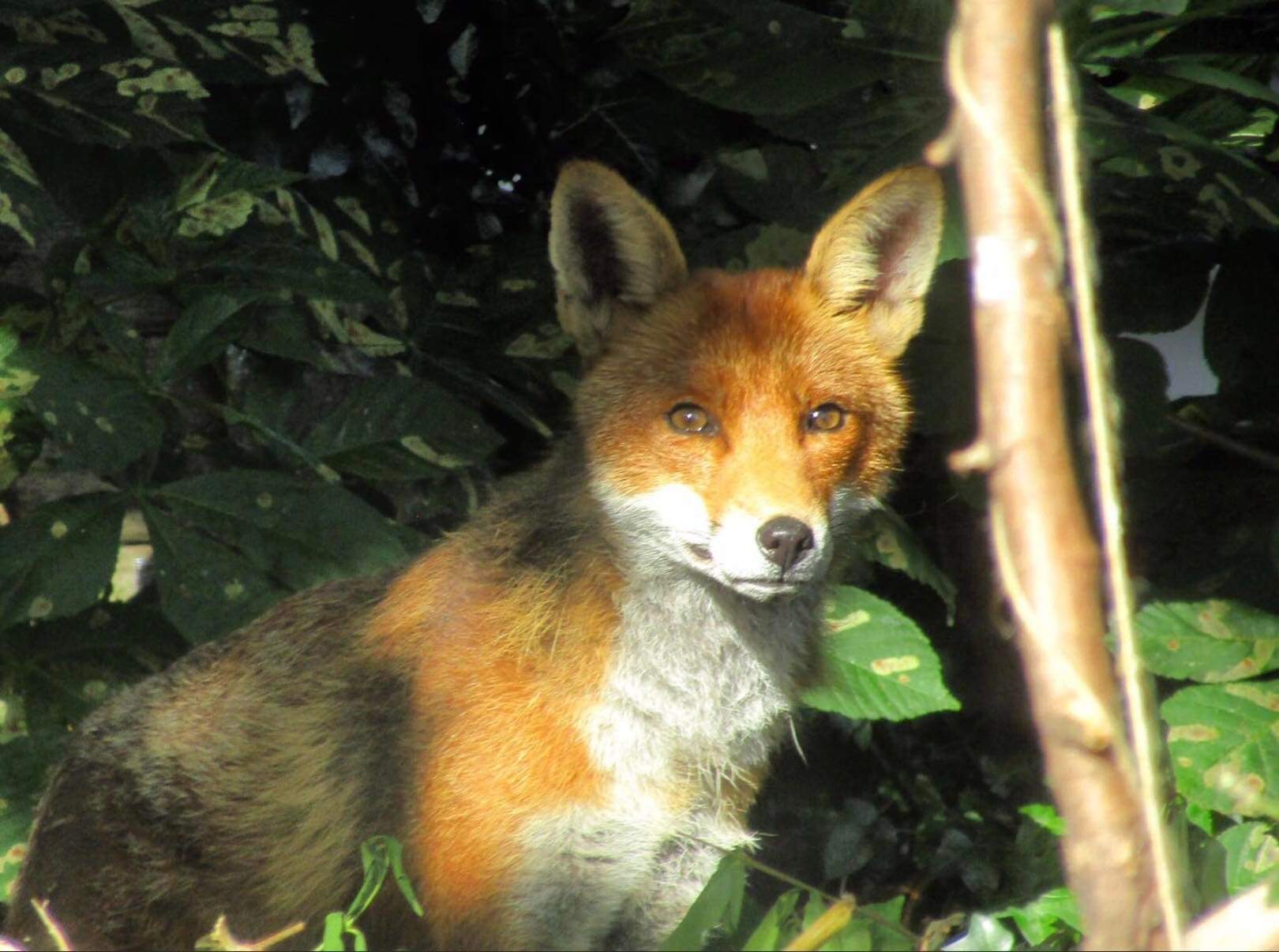
Foxes are generally not aggressive unless they are protecting their young. Picture by Mick Gisbourne

D2FB000D-F533-4471-A42E-71ACD3F81142
More and more foxes are being seen in urban gardens and seem unafraid of humans. Picture by Mick Gisbourne

Since the 1930s, foxes have been finding their way into our villages and towns where they make their dens and live happily amongst us, the main reason being that food is so easy to to come by. A fox is an opportunist hunter, and therefore if dinner is readily available in our bins, our gardens or just thoughtlessly dropped on the ground, then he’ll choose that option rather than than go to the effort of having to chase it down himself. Numbers in rural areas are decreasing, while they are steadily rising in built-up areas.

The urbanised fox often shows little fear of humans, and in some cases, demonstrates what can seem like downright defiance. My sister lives in a city suburb and has been having trouble with a family of foxes for some time. They play in her garden and show absolutely no concern about being out in the open during daylight hours.

One day, she heard an almighty commotion at the back of the house, and witnessed her terrified pet cat come hurtling though the hallway to disappear up the stairs. When my sister went to investigate, she found a fox sitting on her sofa in the conservatory! She chased it away, but the brazen fox is still intent on chasing the cat, and so now she dare not leave the patio door open if no-one is in the room, and is on constant fox-watch whenever the cat dares to go out.

Having done some research, I’m relieved to discover that foxes are not generally considered a threat to cats, and tend to avoid any conflict with them, knowing they are likely to come of worse in a confrontation. But if they have had cubs, then they will see off anything that they consider a danger to the offspring. My sister said there were cubs around, so it is likely it was mum or dad fox defending the babes from her curious cat.

In my dad’s column from 28th August 1982, he suggests that the fox’s reputation for being cunning is not really deserved. He repeats a couple of fox-related myths which he thinks are just old wives tales.

The first one is that the fox catches prey by making them dizzy. The story goes that if a fox spots a group of rabbits nibbling the grass, he will creep stealthily ever-closer, and then start performing strange antics to catch their attention. Once the rabbits see him, he then starts chasing his tail, spinning in mesmerising circles, edging ever closer to the captivated bunnies. The watching rabbits get so dizzy that they are simply unable to run away, and the fox’s trick has earned him his dinner.

The second tale involves the way a fox deals with an infestation of fleas. To rid himself of the itchy pests, a fox will take a clump of moss (or other greenery) in his mouth, then wade out into a nearby river or pond. He will keep going until he is out of his depth. Then, he will gradually let his body sink, tail first, and as he does so, the fleas creep up his body to avoid the water. He keeps slowly sinking until only his muzzle with the moss is showing. To avoid drowning, the beleaguered fleas leap onto the moss, at which point, the fox lets go, and the moss with its nippy passengers on board, sails off with the current.

Other versions have the fox creeping from the shore tail first into the water. Again, I can only find the same or similar stories repeated, rather than any source suggesting this is actual fox behaviour. The story apparently goes right back to ancient Greece, which is impressive nevertheless. I’ve tried to find credible references to both of these behaviours and have come up empty handed. So my very non-scientific conclusion is that they are just myths. But as the stories are well-known and generations old, it could go some way to explaining how the fox’s reputation for cunning persists.

What I have found out though, is that generally, foxes are not confrontational, nor aggressive, unless threatened or protecting young. My sister’s fox has been known to sit in her garden and stare at her house, which she says she finds quite unnerving.

Let’s hope it is simply admiring the view.

Read more at countrymansdaughter.com. Follow me on Twitter @countrymansdaug

This column appeared in the Darlington and Stockton Times on 2nd September  and Ryedale Gazette and Herald on 31st August 2022

Feeling rather waspish

51A63B3B-372A-4D8F-895A-8E2FF784A21D
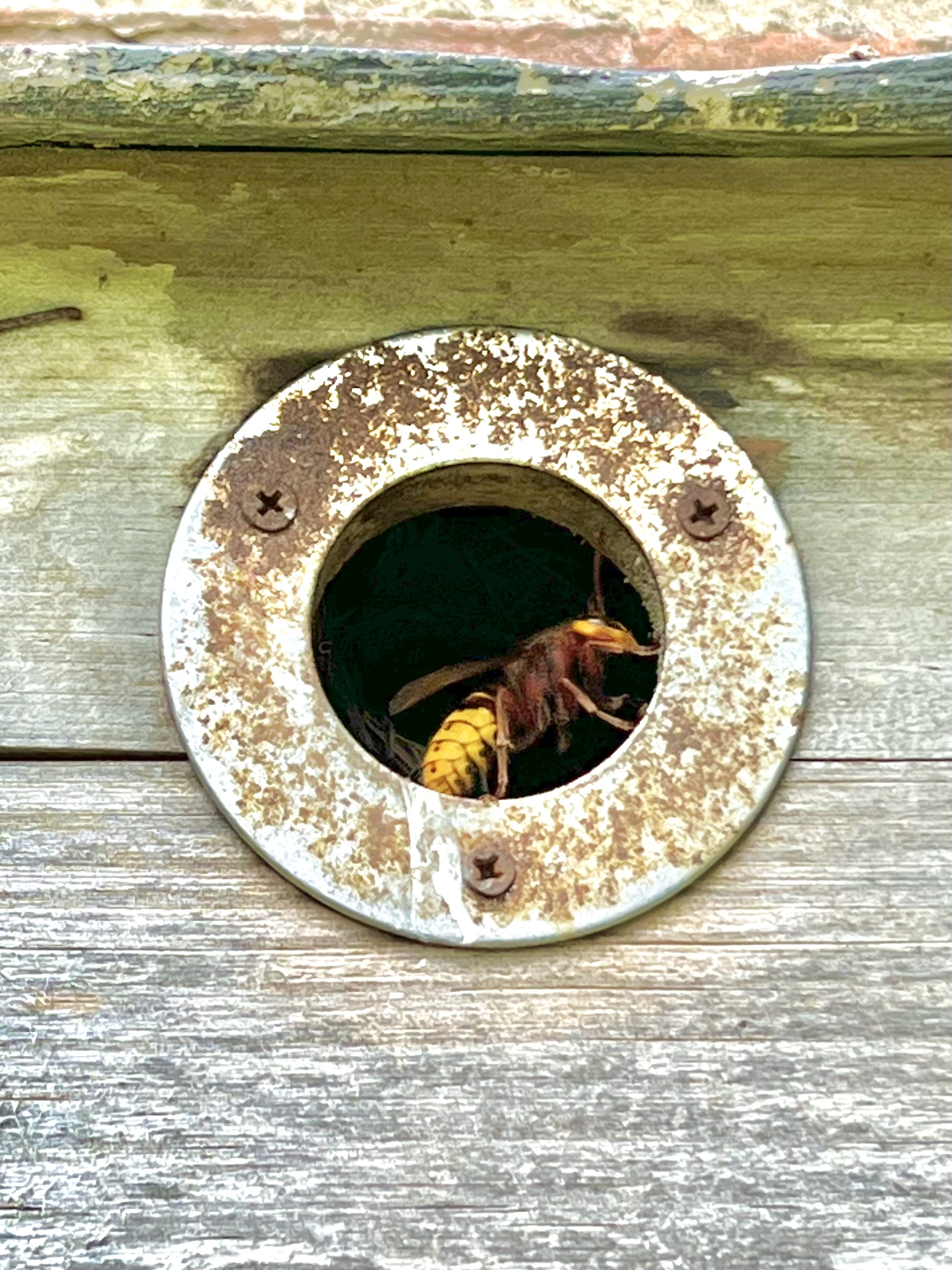
This wood wasp in the entrance to a bird box gives you an idea of how big they are

DDACEBBD-A667-4B21-8950-D19D41A146E3
Wood wasps had made their nest in a bird box attached to the house

I was at a lovely country cottage that’s for sale in Ryedale recently, just doing some final checks before the potential buyers arrived, when I heard what sounded like the low hum of a Lancaster bomber.

I glanced towards the closed patio doors from where it was coming and, to my horror, saw that a giant wasp had found its way inside. The huge creature, which I concluded had escaped from Jurassic Park, was hovering and swooping ominously about.

Its considerable size convinced me it was a hornet, for what other buzzing yellow and black thing was that big? I knew hornets were not common up north, but couldn’t fathom what else it might be. I bravely managed to dodge past it to open the patio doors and, much to my relief, it lumbered out into the open air just as the viewers arrived.

I’ve always been afraid of wasps, and have had an even greater fear of hornets since I went to France as a teenager. The farmhouse I stayed in was plagued with terrifying striped buzzing beasts, which dwarfed anything I had ever seen back home in England. I was never stung by one, but the way the family insisted on the windows being shut before it got dark and the way they left a big bright light on outside the barn to divert them away from the house, made me think there must have been some reason to fear them. I assumed they must be hornets, and determined to stay as far away from them as humanly possible.

As I showed the couple around the cottage, I extolled the charms of the spacious kitchen and delightful sitting room, and then suggested we go and see the first floor. As we climbed the stairs, I froze. There, gliding round the landing light like a flock of hungry pterodactyls, were three or four more of the dreaded things.

Like the consummate professional that I am, I yelped, “Argghh!” before scuttling on up the rest of the steps, sashaying around them at the top, then hurrying into the nearest bedroom. The viewers, bizarrely, paid little attention to them (although I may have seen them raise an eyebrow or two towards me).

After the viewing, the owner of the house, a self-confessed nature lover, came back and when I suggested that she might need to get pest control in, she laughed. She explained that they were not hornets at all, but wood wasps and they were absolutely harmless. She led me to the side of the house to a set of bird boxes on the wall. The wasps had made a nest inside one of them and were peacefully coming and going, minding their own business. It is likely that the viewers, who were used to living in the countryside, knew exactly what they were. 

How did I not know about the wood wasp before? I grew up in the country too, but don’t recall coming across it. I’m sure if I had, my dad would have explained what it was. I have a feeling that those I saw in France were probably wood wasps too.

The wood wasp, also known as the giant horntail, does look terrifying, but its merely its armour against predators. It has a similar black and yellow striped body to the common wasp, but is more than double the size. Its spiked tail can be mistaken for a stinger, and the female has an extra long black spike at the end of her body, which looks lethal, but is in fact an ovipositor, a tube that enables her to penetrate wood and lay her eggs inside. These wasps are very docile, do not sting and, unlike their carnivorous doppelgängers, don’t eat other insects, preferring to dine on wood, especially pine.

Hornets are still rarely seen here in the north, and are distinguishable from the common wasp by their large size and chunkier body which, unlike wasps, is not pinched at the waist. While wasps generally have a black head, upper body and yellow legs, a hornet has lighter copper brown head, upper body and legs. Another little-known fact is that they are not likely to be aggressive unless their nest is being threatened.

So now, if ever I do come across one, I’ll just calmly walk on by. Or maybe I’ll run.

Yes, I’ll definitely still run.

Read more at countrymansdaughter.com. Follow me on Twitter @countrymansdaughter

This column appeared in the Darlington and Stockton Times on 24th and Ryedale Gazette and Herald on 22nd August 2022

Flushed with good ideas

A456B1CE-6319-4D3B-8CA9-F4ABABF99914
Rosemary and lavender are just two of the plants that have thrived during the prolonged dry spell

As I write, the dry weather continues and very little rain is forecast for the coming weeks. It must be causing havoc for our farmers and other businesses that rely on natural rainfall to thrive. Water companies are imposing hosepipe bans, and our reservoirs remain worryingly low.

I was listening to local radio this morning, and they were talking to experts about the impact of the dry spell, and sharing ways in which we as individuals could help. I found some of the information useful and informative, so thought I would pass it on.

Having said that, I’m not sure I can bring myself to follow the tip about only flushing the loo once a day. That’s a sacrifice too far for me. I might instead order a free ‘Flushsaver’ offered by Yorkshire Water which is a kind of bag that when placed in your cistern, allows you to save between one and two litres per flush (but they are only suitable for single-flush toilets rather the increasingly common dual-flush systems that enable you to choose a short or a long flush depending on your…er…deposit).

One of the things they were discussing was the garden-proud Englishman’s seemingly unshakable need to water his lawn, no matter how diminished our domestic water supply is. Who cares if our reservoirs are so depleted that the villages that were deluged to create them are beginning to reappear? Does it really matter that our country is on the brink of a national emergency? Keeping our lawns looking pretty is far more important, surely?

That kind of attitude is quite staggering when you know that watering your lawn is completely unnecessary. Established grass is quite resilient, as its roots are deep enough to cope with dry spells. Yes, it will go brown and crispy for a bit, but that is a small price to pay if the alternative is a nationwide crisis. Come the next downpour, your lawn will bounce back to its verdant self. If we overwater our gardens, the plants’ roots remain close to the surface where they are vulnerable, rather than reach deeper where the soil is more moist and the roots are protected. A bit of tough love will teach them to become more resistant to extreme weather.

The expert on the radio was quite scathing about people who selfishly keep dousing their gardens. We take this essential resource for granted because we normally experience so much rain. But we cannot afford to do that any longer. She also explained that keeping the grass bowling-green short is not good for it either, and suggested allowing it to grow to a longer length as it will encourage the roots to grow deeper and therefore the lawn will become more able to cope in drier weather.

She advised a more selective approach to watering rather than to just let rip with a hosepipe like a killer on a shooting spree. Selectively target where you put the water, and prioritise the things that actually need it to survive, such as salad and vegetables, or things that have been recently planted. Those that are already established will bounce back when the rain returns, which it inevitably will. And on the subject of our unpredictable, see-saw of a climate, if you want a garden that looks colourful whatever the weather, choose differing floral species that thrive in a variety of conditions, whether it is sunny and warm, or wet and cold. Then whatever weather prevails will determine which flower grabs the limelight, and you will be blessed with colour all the time. At the moment, begonias, geraniums, lavender and rosemary are relishing the long dry sunny days.

Common sense should tell you to water in the evening too, as the plants will benefit from it all night long, rather than it evaporating in the heat of the sun. Laying down mulch will also keep valuable moisture in the ground. It of course makes sense to make the most of the rain when it does come, so have plenty of vessels in your garden to collect it, such as water butts, buckets and troughs.

During my research, I discovered an article featuring an expert from the Royal Horticultural Society who offered tips about how to use water wisely during a drought.

His name was Mr Gush.

Read more at countrymansdaughter.com. Follow me on Twitter @countrymansdaug

This column appeared in the Darlington and Stockton Times on 19th and Ryedale Gazette and Herald on 17th August 2022

Did you survive Warmageddon?

B759DA0A-8349-4392-8F81-2EF1412F1B79
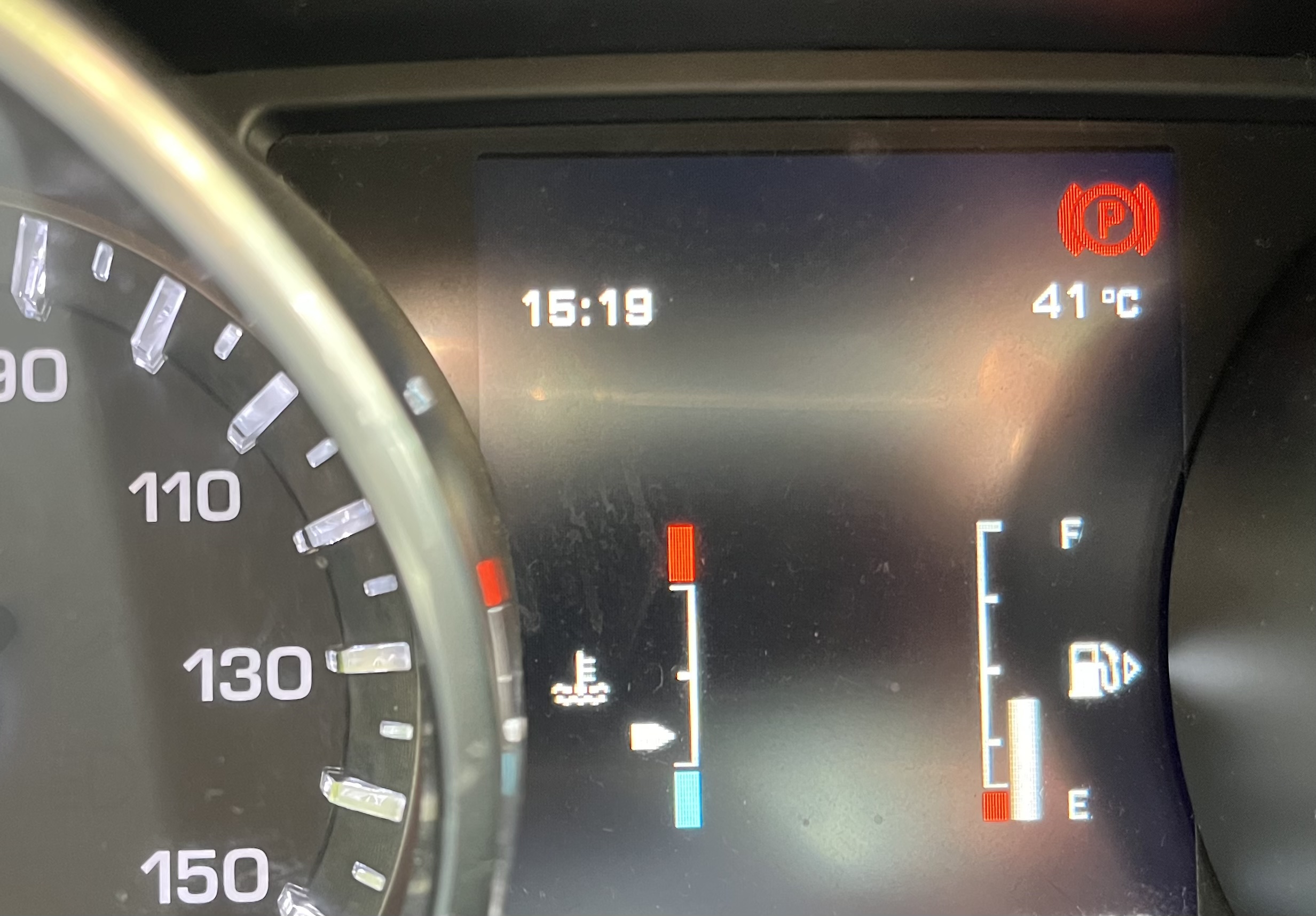
On Warmageddon Day, my car recorded a temperature of a whopping 41°C

8A119EBC-FAE5-4226-8E8C-55675EF511B9
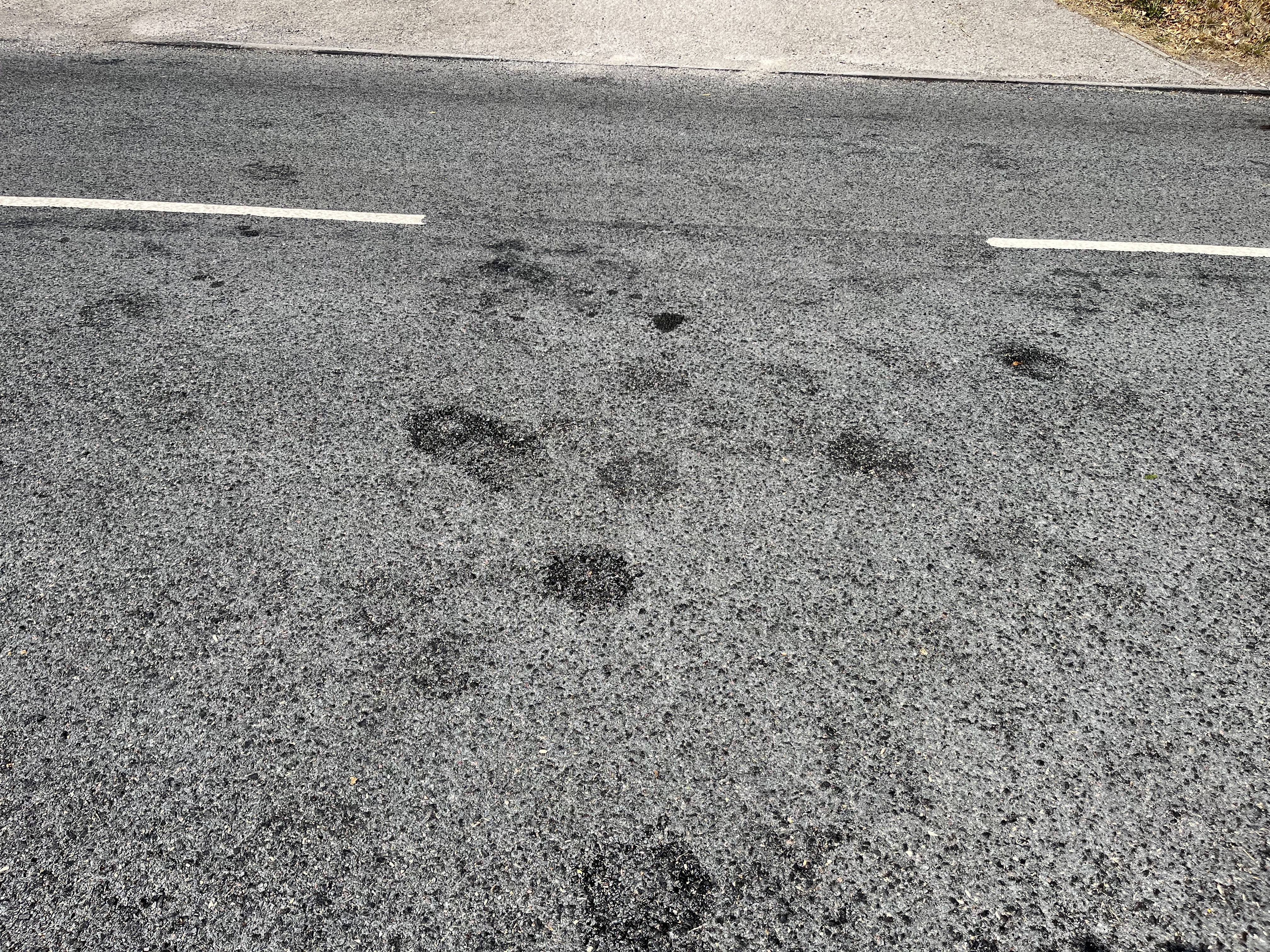
Tuesday 19th July was so hot the tarmac under the road surface began to melt and bubble up

C03DD53D-0E25-467F-B9B2-8B3FE394E17A
One positive is that the heat has slowed down my super-fast-growing grass, turning it into parched straw

I am typing this column the day after Tuesday 19th July, which I have nicknamed ‘Warmageddon’. The country went into meltdown in more ways than one when temperatures across the UK hit unprecedented heights. They peaked at over 40°C for the first time since records began, with Coningsby in Lincolnshire recording the official top temperature of 40.3°C, almost 2°C higher than the previous record of 38.7 which was achieved in Cambridgeshire in July 2019.

Some schools and workplaces decided to close rather than force people to struggle in to sit in baking hot classes and offices, while many sports fixtures were postponed or cancelled. Even Aysgarth Falls on the River Ure decided to take a break from the heat, the normal torrent being reduced to a tiny trickle. We are assured though, that after a good downpour, the river and falls will quickly return to normal.

I walked the short distance from my mum’s house to the local shop, and by the time I got back, the soles of my flips flops were beginning to melt. It was no doubt due to the scorching pavement and I had to then spend several minutes plucking out stones that had become embedded in the softening rubber (Dog owners take note – imagine what happens to paw pads). I’d noticed the bitumen on the road had begun to melt too, the glistening black syrup seeping up through the gravelled surface.

I spent much of the day in the car and watched my dashboard with ever increasing astonishment as the reading crept higher and higher until it crested at a whopping 41°C. Never have I been so grateful to have a decent air-con system. As I drove, I listened to local radio, and the news was full of stories of how Warmageddon was bringing the country to its knees. Trains between York and London were halted for a number of heat-related reasons, including a fire at a crossing at Sandy in Bedfordshire.

The London Fire Brigade declared a major incident after blazes broke out in several parts of the city, and later described it as their busiest day since World War II. The threat of fire in North Yorkshire was categorised as ‘high to very high’, while some southern counties were classified as ‘extreme to very extreme’. Fire continues to be a very real threat to the tinder dry vegetation that is dying before our eyes. My lawn, if you can call it that anymore, is almost completely brown and feels like brittle straw beneath my feet (I will take a small positive from the situation though; the dry and the heat has knocked my bionic super-speedy growing grass for six so I might get away with not mowing it for another week. Every cloud…).

Those of us of a certain age cannot help but be reminded of the infamous Summer of ’76. That heatwave was positively arctic compared to this year, with temperatures peaking at a measly 35.9°C. What set it apart though, was the duration. A drought had already been declared from the previous September and we had had precious little rainfall by the time the warm weather arrived in May.

From then onwards, it was day after day of hot dry weather, and between 23rd June and 7th July the temperature surpassed 32°C for 15 straight days. The situation was so severe that in August the Government introduced the Drought Act, giving it the powers to ration water.

We will never forget the insect invasions either. I remember green clouds of aphids drifting through our village, followed a couple of days later by swarms of ladybirds which, unusually, bit you when they landed on you. I have learned that they did so simply as a way to try and survive, attempting to get any sustenance from whatever source was available.

The dry and heat persisted right through until September, when thunderstorms and rain finally brought the drought to an end .

So what would you rather have? Four months of hot, dry weather, not dissimilar to the kind of summer experienced by our Mediterranean friends? Or would you prefer the recent short, sharp burst of searing heat of the kind you might experience in the Tropics? And are either preferable to the rubbish rainy summers we are more used to?

I’m yet to make my mind up on that one.

Read more at countrymansdaughter.com. Follow me on Twitter @countrymansdaug

This column appeared in the Darlington and Stockton Times on 5th and Ryedale Gazette and Herald on 3rd August 2022