This column appeared in the Darlington and Stockton Times on 20th April 2018 and the Gazette and Herald newspaper on 18th April 2018.
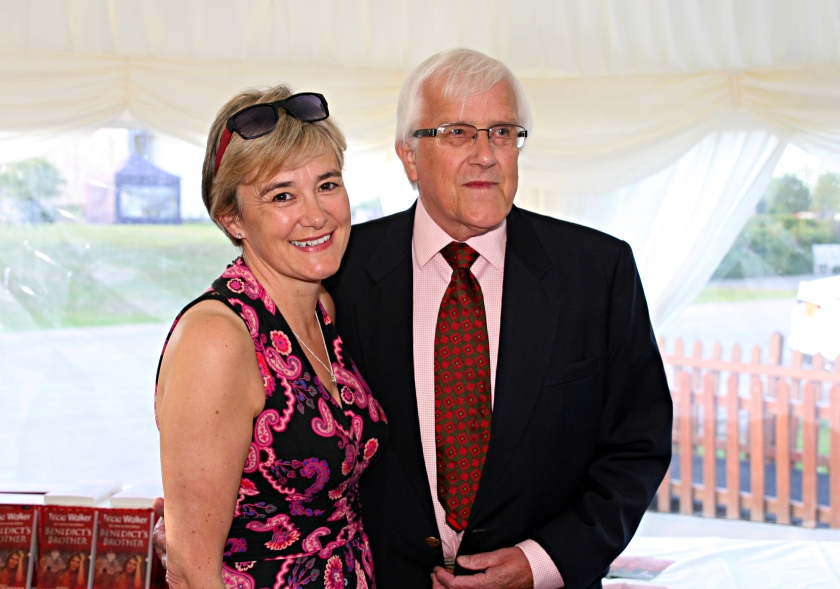
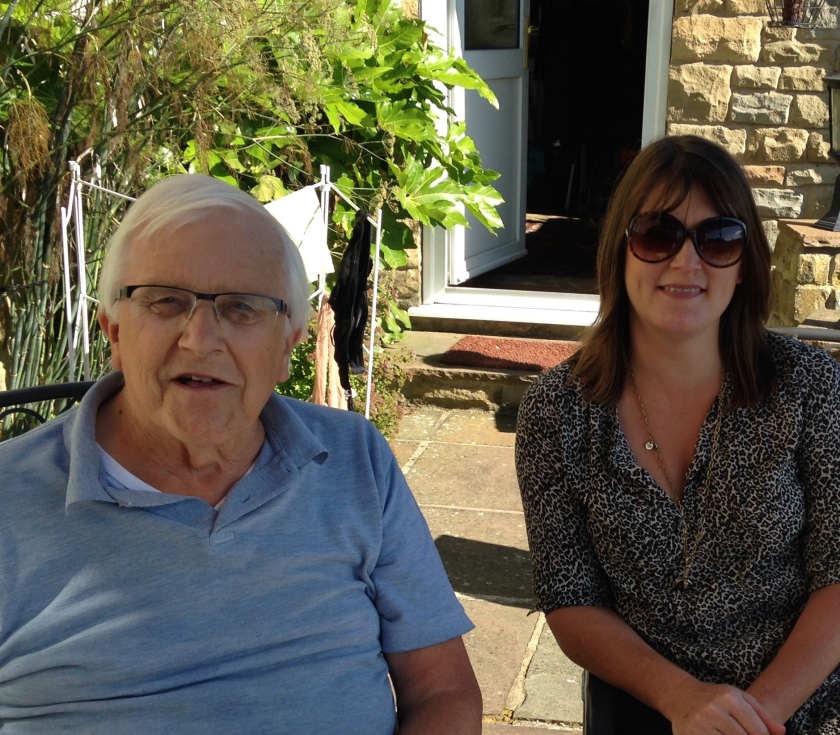
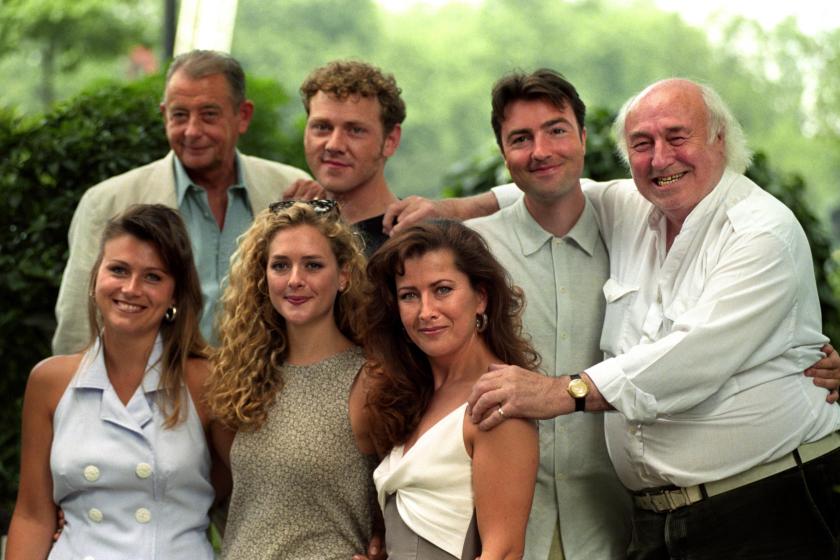
April 21st marks the first anniversary of my dad Peter Walker’s death from prostate cancer. By a sad coincidence, it is also the same day as Bill Maynard’s funeral (he played Dad’s loveable Heartbeat character, Claude Jeremiah Greengrass, on screen), so my thoughts will be with his family as I reflect on my own loss.
It’s been a strange and difficult year, so I hope you will indulge me as I ponder on what has happened, and pay tribute to the services that we didn’t truly appreciate before we had to call upon them (It’s going to be a tough column to write, so I’ve opened an industrial-sized box of Maltesers to help me through!).
Dad left a gaping hole in our family’s lives that I’m sure all of you who have lost someone close will understand. My sense of loss has not yet lessened, and sometimes it knocks the wind out of my sails. Silly things get me, like making mashed potato, as my dad made the best mash on the planet (and I’ll fight anyone who says different). And one evening I was making pizza when I remembered the time Dad tried to describe one. “You know, them round flat things that Italians eat!” he’d said. We fell about laughing, as it was such a Yorkshire way to put it. It’s one of my daftest and fondest memories, and made me smile over my pizza dough, yet seconds later I was in floods of tears as his absence hit me like a blow to the stomach.
The progression of Dad’s illness had been very slow over ten years until it suddenly sped up in April 2017. He went from being physically very able to needing round-the-clock care within a couple of weeks. It was then that we discovered the Ryedale Community Response Team, and I don’t think I exaggerate when I say they were like angels sent from above. Hearing their cheery ‘hello’ as they stepped through the door provided instant relief with every single visit. The team act as emergency help to people who suddenly realise they are no longer able to cope alone. They are a short-term bridge of support until more appropriate care is found.
But very soon, Dad’s needs became such that even four visits a day were not enough, and managing him and his medication the rest of the time was too much for us. Thankfully, a space became available at St Leonard’s Hospice in York and he was taken there on the morning of 21st April. He died later that night.
For us, these past months have been doubly difficult as we were bracing ourselves for our first Christmas without Dad when my sister, Tricia Walker, fell ill at the beginning of December. What she had been dismissing as a stomach bug turned out to be a rare and very aggressive form of cancer. We could barely believe it was happening all over again.
Although Tricia lived in Bournemouth, she wanted to come home to Yorkshire, and was transferred to the specialist cancer unit in the Bexley Wing at St James’ Hospital in Leeds.
Everyone in Bexley looked after Tricia extremely well. It is one of the top cancer centres in the country, so we are blessed here in Yorkshire to have it on our doorstep. We knew she was in the best hands, but sometimes, there just isn’t an answer. It was on 4th January, only four weeks into her illness, that Tricia decided to go into a hospice. She was admitted to St Leonard’s three days later and died in the early hours of 8th January, aged just 53.
Although both my dad and sister were in St Leonard’s for less than a day, I cannot overstate the value of the place. For those last few precious hours, we could forget about everything else, let the hospice staff take over the essential stuff, and just focus on being with them in their final moments. We had a dedicated nurse of whom we could ask just about anything. She displayed empathy, gentle sensitivity and an uncanny instinct for producing a cup of tea exactly when you needed it.
I’m sure those of you who have had experience of other hospices in the area, like St Catherine’s (Scarborough), Martin House (Boston Spa), St Michael’s (Harrogate) and St Teresa’s (Darlington), will understand what I mean when I say that once your loved one crosses over their threshold, it’s like a huge pair of comforting arms is wrapped around you. The hospital and in-home carers were brilliant, but they only had the time and resources to look after the patient. The hospices can accommodate the whole posse of people surrounding the sick person, who, through the stress and worry about what is inevitable, can be somewhat high maintenance themselves.
One of the most significant benefits of losing a loved one in a hospice is that once they are gone, the care for those who’ve been bereaved doesn’t end. They guide you through the next, difficult practical steps and are also at pains to ensure you are supported, should you need it, for many months afterwards.
St Leonard’s offered me bereavement support after Dad died, but I declined, and then offered it again after losing Tricia, and this time I accepted. I wasn’t sure I needed it, but it is possibly one of the best things I’ve done. Being able to offload all the stuff in my head is like releasing the pressure in an overfilled tyre (And as a result, the local stocks of Maltesers have thankfully remained buoyant).
This level of care, which is so desperately important to those who need it, is all free of charge, so hospices have to rely on constant fundraising. St Leonard’s has to raise at least £5million every year to continue to offer these essential services.
The initial 12 months of grief are the most difficult, with a year of first hurdles to overcome. Things like birthdays, (theirs and your own), anniversaries, Father’s Day, Mother’s Day and Christmas become occasions to be endured, and it is a relief when the first one has passed as you hope that the next year it will be that little bit easier.
This year, we are marking Dad’s first anniversary quietly at home with the family.
 The Countryman's Daughter