Reader John Aston from Thirsk has been back in touch following my columns about invasive species.
If you recall, a reader had talked about ‘crayfish drives’ where a group of people spend the day catching invasive signal crayfish, then are rewarded with a fresh shellfish supper at the end of the day.
John, who has fished local rivers for many years, is not convinced this is an effective way of controlling them. He says: “They are present in big numbers in the mid and lower Ure and Swale, as well as Bedale Beck and the Cod Beck here in Thirsk. You mention trapping them, but that doesn’t entirely work as signals self-predate and trapping tends to catch the larger ones, which eat the smaller ones. I also understand that it is the smaller signals which are of breeding age. We are stuck with them, but at least otters and predatory fish enjoy them.”
He then moves on to voles, which I also mentioned a couple of weeks ago. Voles are the most endangered native mammal thanks to the proliferation of mink that escaped from fur farms in the 1920s and 30s and became established in this country by the 1950s. John says: “As a kid in the 60s, I’d fish in the Ouse and Wharfe around York and Tadcaster, and water voles were ubiquitous. They were just part of the scenery, not even noteworthy. How we took things for granted!”
John says lack of their natural habitat should not be cited as a factor in their decline: “You will hear misleading nonsense (from Countryfile etc) about loss of habitat being the cause, but that is the least of the voles’ problems. We have lost some habitat of course, but Yorkshire still has hundreds of miles of river bank which, but for mink predation, are ideal for voles. I spend two or three days a week by local rivers but in the last 30 years I have seen only three voles. Two were on the Swale near Great Langton and one was on the Rye about three miles upstream of Helmsley.
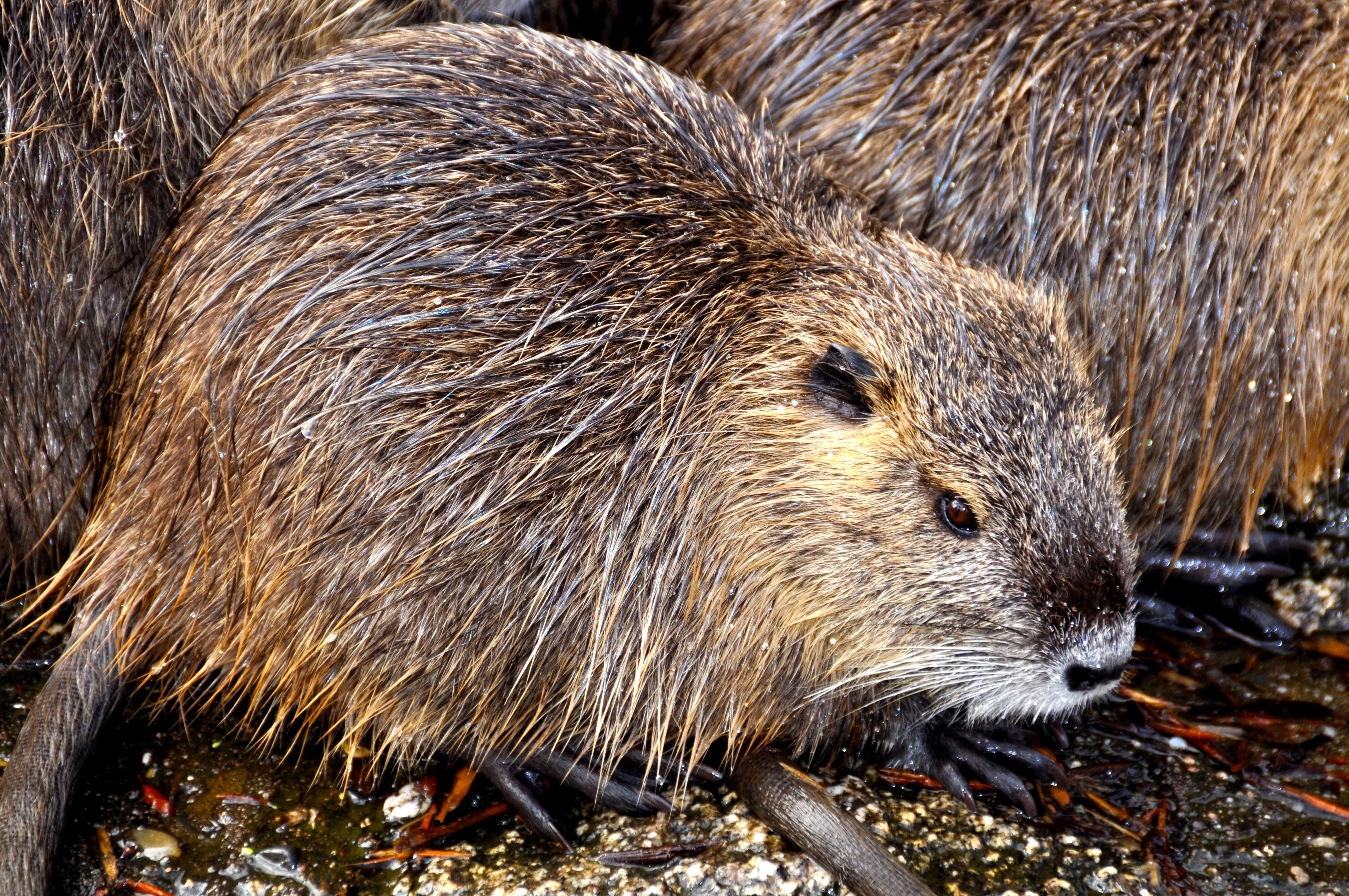
“It could be worse – just research the story of coypus on the Norfolk Broads in the 60s. But at least they wiped them out; I remember seeing them on boating holidays on the Broads. Big critters!”
As I told John, I did write a column on the coypu problem in 2020 after reading a piece my dad had written way back in 1980.
Like the vole, coypus were often mistaken for giant rats. Although they look a bit like beavers, Coypus have a round rat-like tail rather than a wide flat one. The coypu snout is also somewhat pointy, hence the confusion.
When Dad was writing, coypus were a real pest living wild in the British countryside, colonising the shores of our waterways. Like the mink, fur farmers had been less than diligent with their security, and of the 49 farms that started to breed them, more than half reported escapees between 1929 and 1939.
At first these South American invaders were not considered a threat, as everyone thought they’d not survive in our colder climate, but the clever creatures quickly adapted to the British weather. Coypu are prolific breeders, and mate all year round, producing four or five babies each time. The youngsters are fertile from just a few months, and quickly move on to establish their own burrows, find mates and ravage the local crops.
By 1980, they were extremely troublesome and Dad wrote: “The coypu destroys plant crops, wreaking havoc among reed beds, sugar beet and cereals…One wonders if it will replace the otter, whose numbers are declining.”
Thankfully, his concern did not come to fruition as, realising previous eradication strategies were ineffective, the Government introduced a new, more sophisticated plan following a long-term study of the ecology and breeding characteristics of the animal. The aim was to eradicate them from our shores within 10 years, and by 1989, they had achieved that goal.
So now, the only place you should see a coypu in this country is in the zoo. But a quick search of the internet still reveals regular sightings of ‘giant rats’ all over the UK. The question is, are these actually rats, or has the cunning coypu escaped its confines once more?
Do you have opinions, memories or ideas to share with me? Get in touch with me using the ‘Contact’ button on the top right.
This column appeared in the Darlington & Stockton Times on Friday 30th Oct and the Ryedale Gazette and Herald on Wednesday 28th Oct 2026

