Crossing the Fords to Haymoor


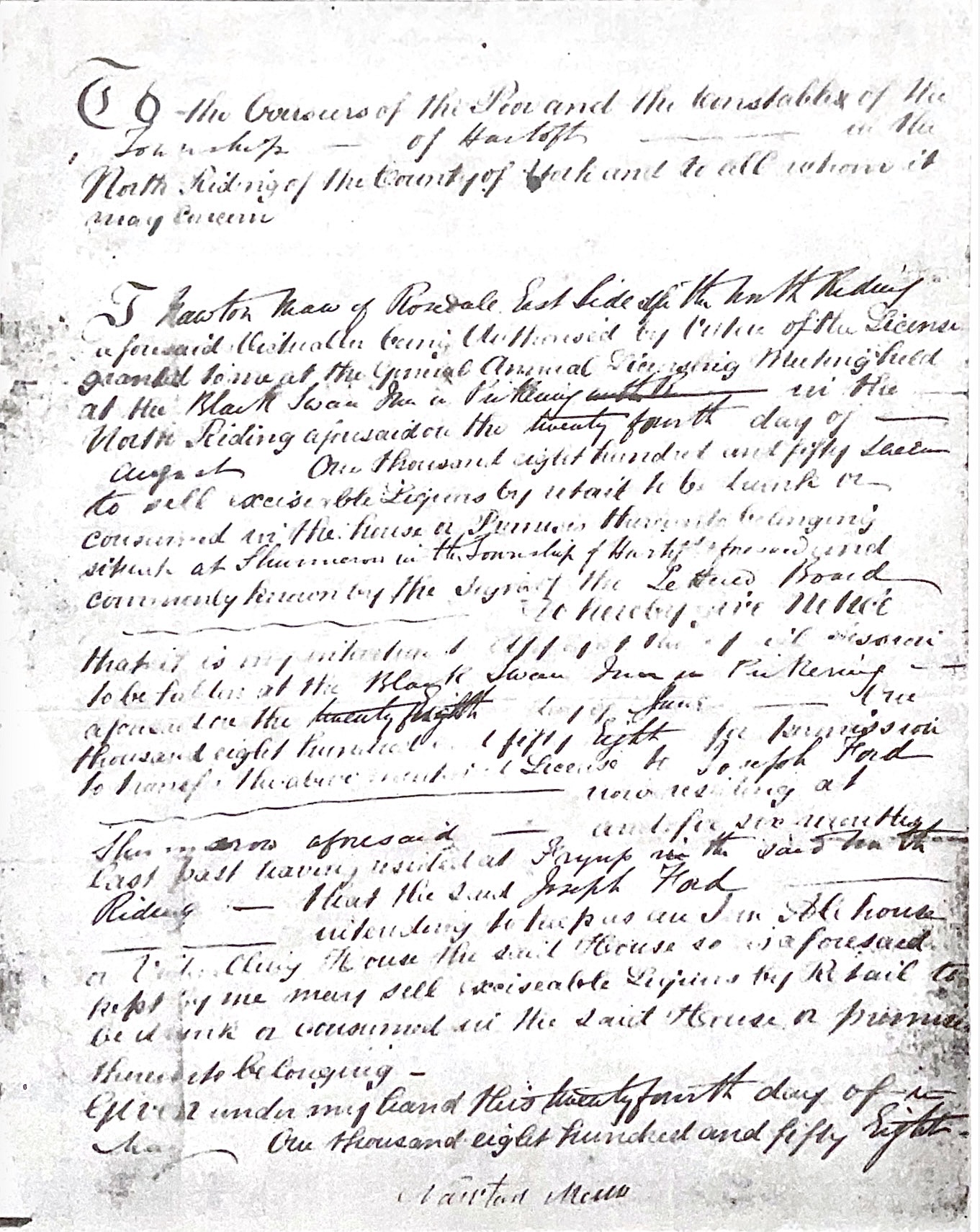
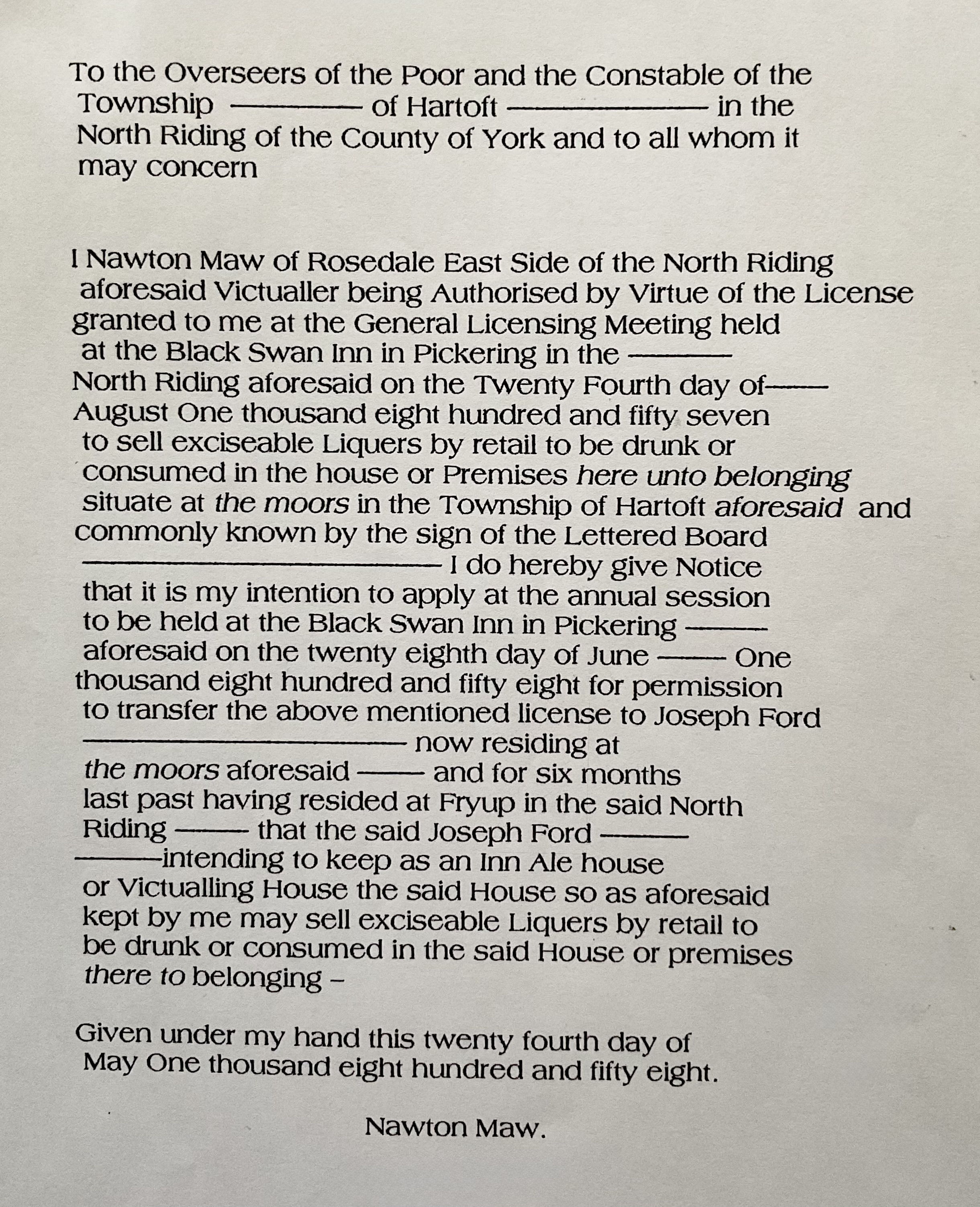
The copy of the liquor licence transferring the lease of the Lettered Board to Joseph Ford, dated ‘fourth day of May One thousand eight hundred and fifty eight’
A transcript of the liquor licence
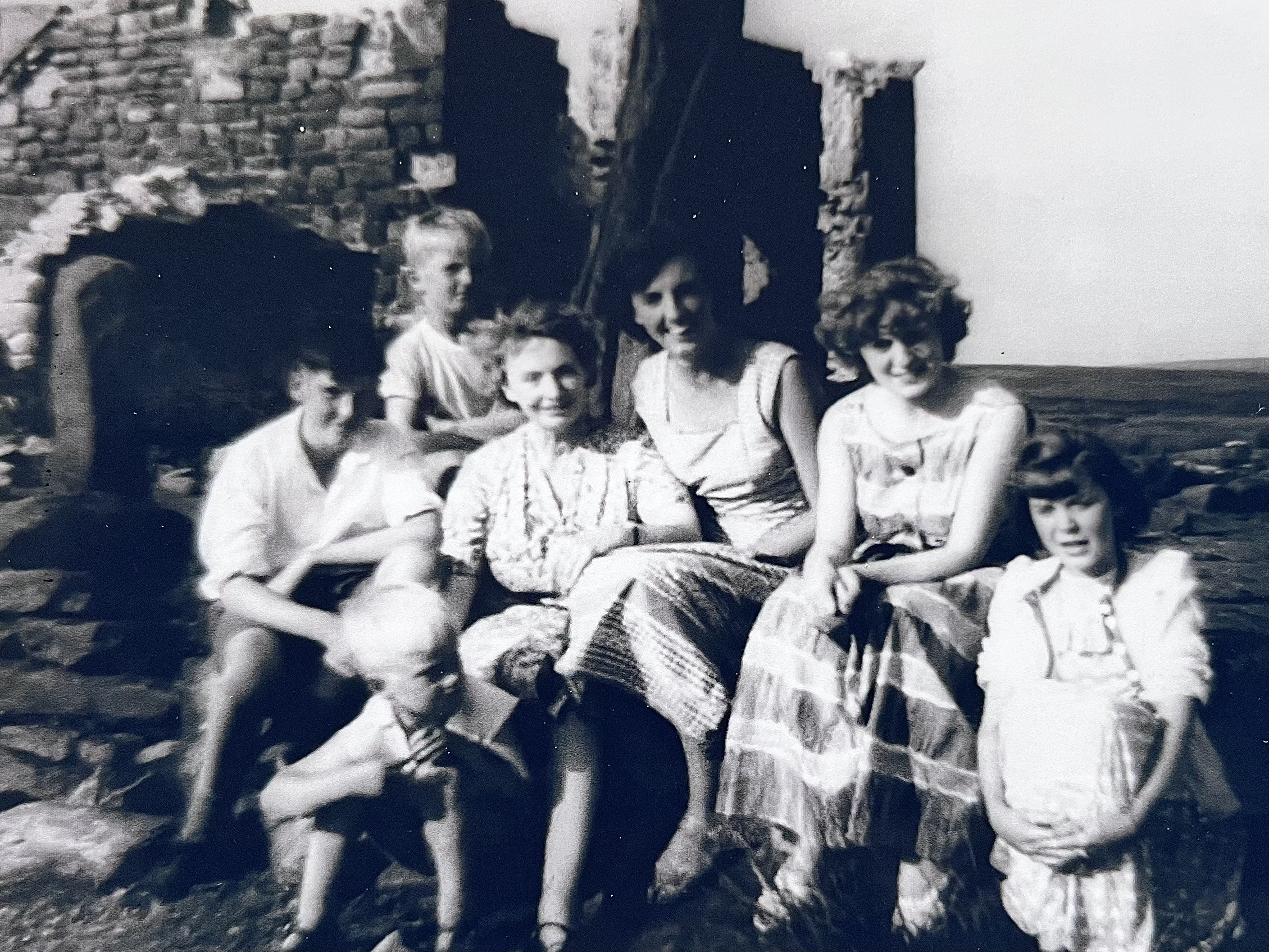
L-R Ian Ford, David Ford (back), Richard Ford (front), Ada Ford, Margaret Ford, Sylvia Ford and Eileen Roe on a family day out in about 1959. The ruins of Hamer House can be seen in the background.

I’m continuing to be surprised by how many memories my columns about Hamer Inn have jogged.

The latest contact came from reader Ian Ford. As his surname suggests, he is related to the Fords who were licensees of the inn in the mid-1800s. Ian is the cousin of David Ford, whose original message to me asking for photos of the inn sparked off this whole chain of columns. Ian is the great great grandson of Robert Ford who was born at Hamer in 1860. Robert was the son of Joseph Ford who took over the licence in 1858 and the brother of Joseph Ford Junior, who wrote a book about life on the North York Moors called ‘Some Reminiscences and Folk Lore of Danby Parish and District.’

Ian sent me copies of correspondence between himself and my dad from 2007 relating to Hamer, including some old family photos taken in the 1950s with the inn in the background, which by then was derelict but still clearly a building of some sort. As you know if you’ve read my previous columns, all that lies there today is a pile of old stones.

I’ve referred to Hamer as a property ‘of many names’ and they include The Lettered Board, The Wayside Inn, Hamer Inn and Hamer House. Ian revealed there was yet another name – Haymoor House. Surely that is its ‘posh’ name, because if you say it in a local accent, you get to Hamer (pronounced Hay-mer).

Ian included a copy of the original licence from when Joseph Ford took it over in 1858. You might recall that I mentioned that my dad had a copy of that licence:

‘Hamer’s role as an inn declined after 1870, the year a local writer called Joseph Ford was born at the remote house. His father was landlord and I have a copy of a licensing application dated 1858 in which the liquor licence of the Lettered Board was transferred to Joseph Senior.’

I searched for the licence in my dad’s files, but was disappointed when I was unsuccessful. What I didn’t know then was that there was a reason I could not find it, and that reason was revealed in the letters that Ian sent me.

Ian had contacted my dad after reading his book ‘Murders and Mysteries From the North York Moors’ in which both Joseph Fords are mentioned. He cites the tales Dad covered in the book, including those about the Lettered Board, and goes on to explain his family connection. He’d asked if he could see a copy of the old liquor licence transferring the lease to from the previous landlord to Joseph Ford.

Dad’s letter of reply states: “So far as the liquor licence for The Lettered Board at Hamer is concerned, I enclose my copy of it. It is dated 1858 and Joseph’s name was quite clear. It is an ancient photocopy – and I can’t remember where I got it from – but I doubt if it would reproduce any better on our modern equipment. As I can’t think I am likely to have any further use for it, please accept it with my compliments.”

So my dad had given it to Ian – no wonder I couldn’t find it! Yet another minor mystery solved thanks to you wonderful readers.

Incidentally, Ian reminded me that he had been in touch with me a couple of years ago regarding Joseph Pilmoor, the illegitimate son of Joseph Foord, the groundbreaking hydro engineer who came up with ways of ensuring remote moorland communities were served with fresh running water. Foord had had a liaison with a lady called Sarah Pilmoor from Fadmoor near Kirkbymoorside, and as a result, he was thrown out of the Quakers. Born in 1739, his son, inspired by founder of Methodism John Wesley, grew up to be one of the most successful preachers who travelled to the USA to recruit followers. Today there are around six million Methodists 30,000+ churches in the USA. He has countless plaques and memorials dedicated to him in many states and is described by them as a ‘pioneer missionary’. A remarkable feat for a lad from North Yorkshire.

Ian thinks both families might be connected, and indeed his branch used to spell their surname ‘Foord’ until the  19th century. Does anyone out there know for sure?

This column appeared in the Ryedale Gazette and Herald on 8th and the Darlington and Stockton Times on 10th April 2026


Boddy of evidence for inn’s past history

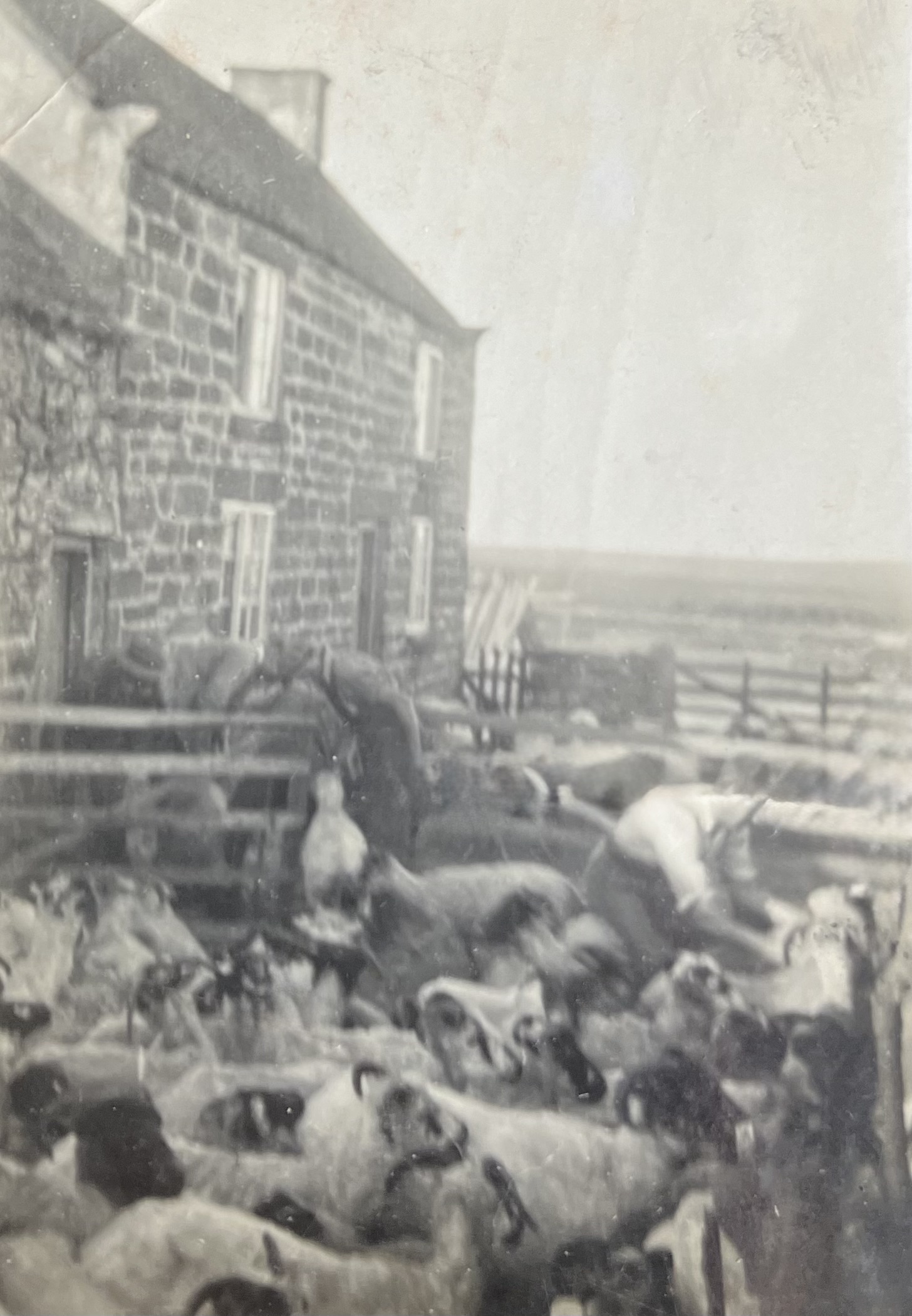
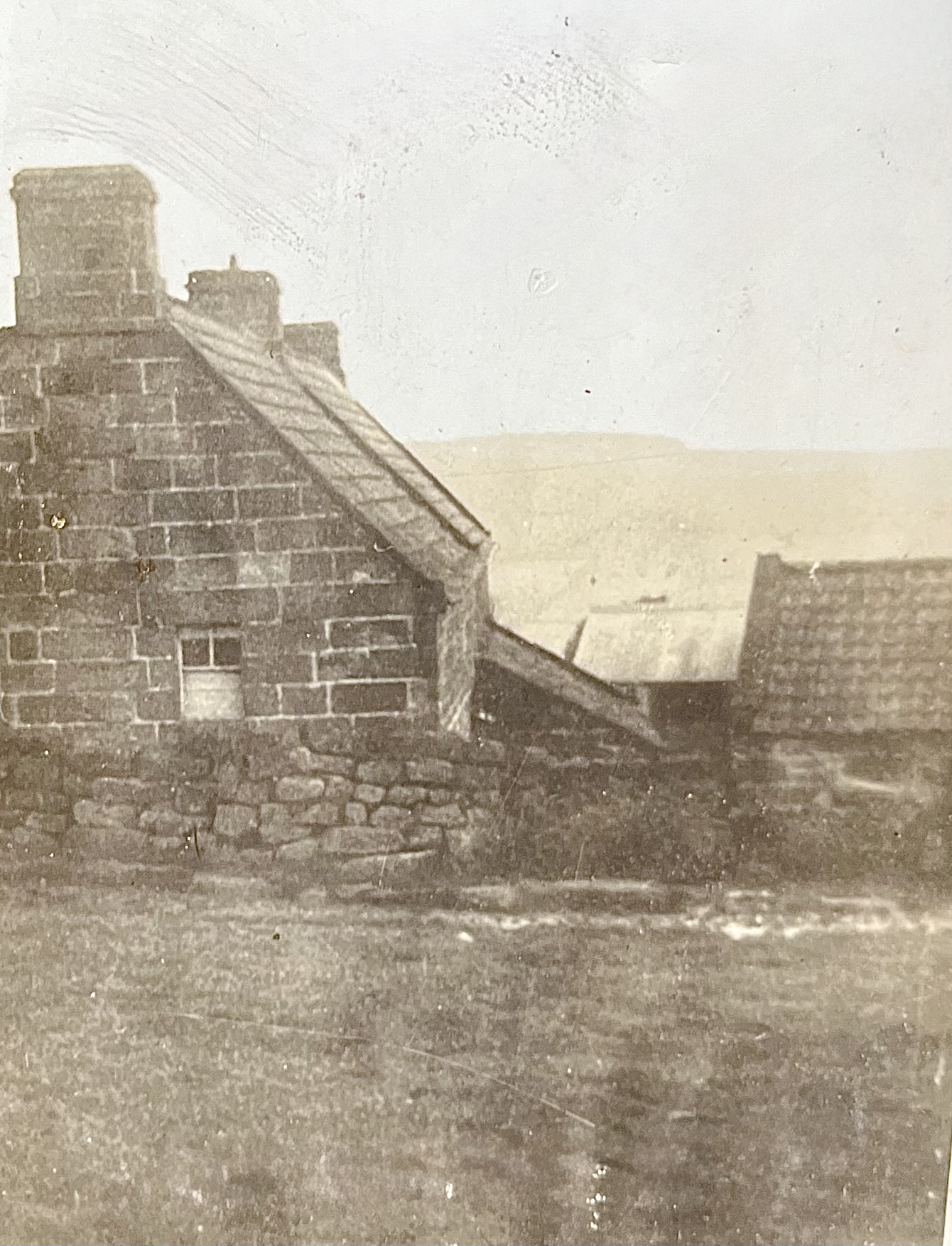
Hamer House on the North York Moors in the 1930s when Lily Boddy, the last licensee, lived there.

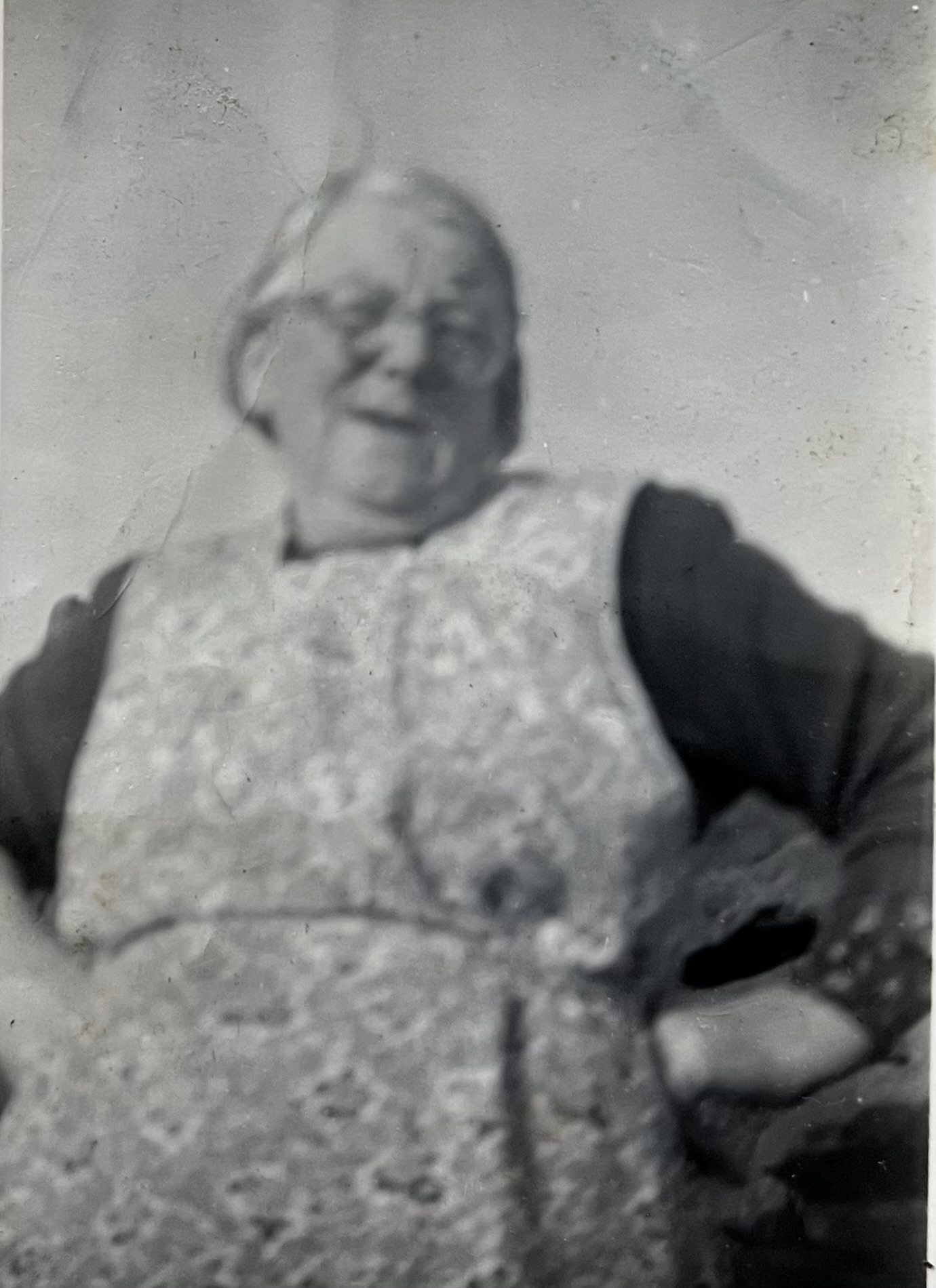
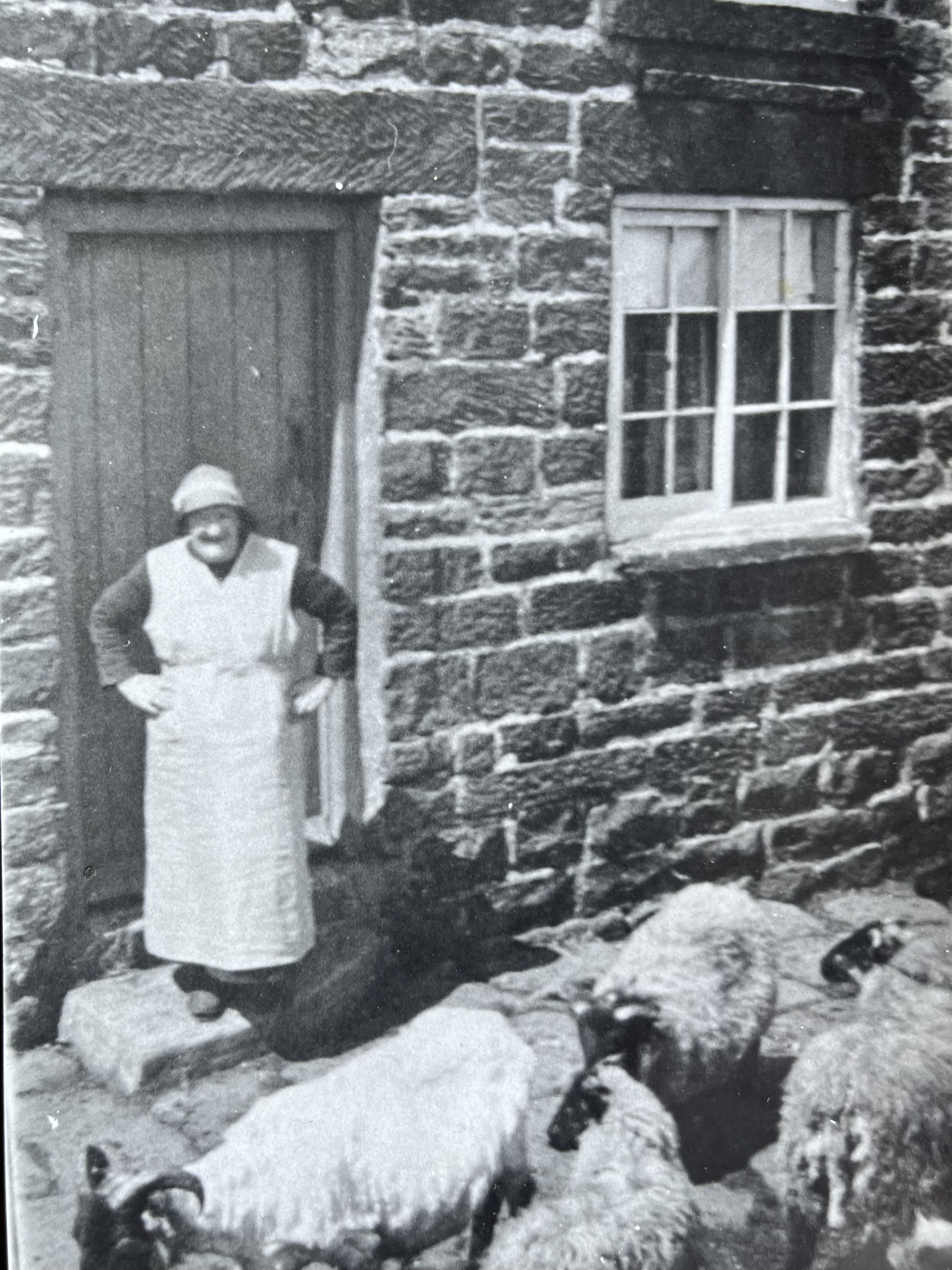
Granny Boddy outside Hamer House in the 1930s. Photo supplied by Peter Hanstock, York.

Sheep shearing at Hamer Inn

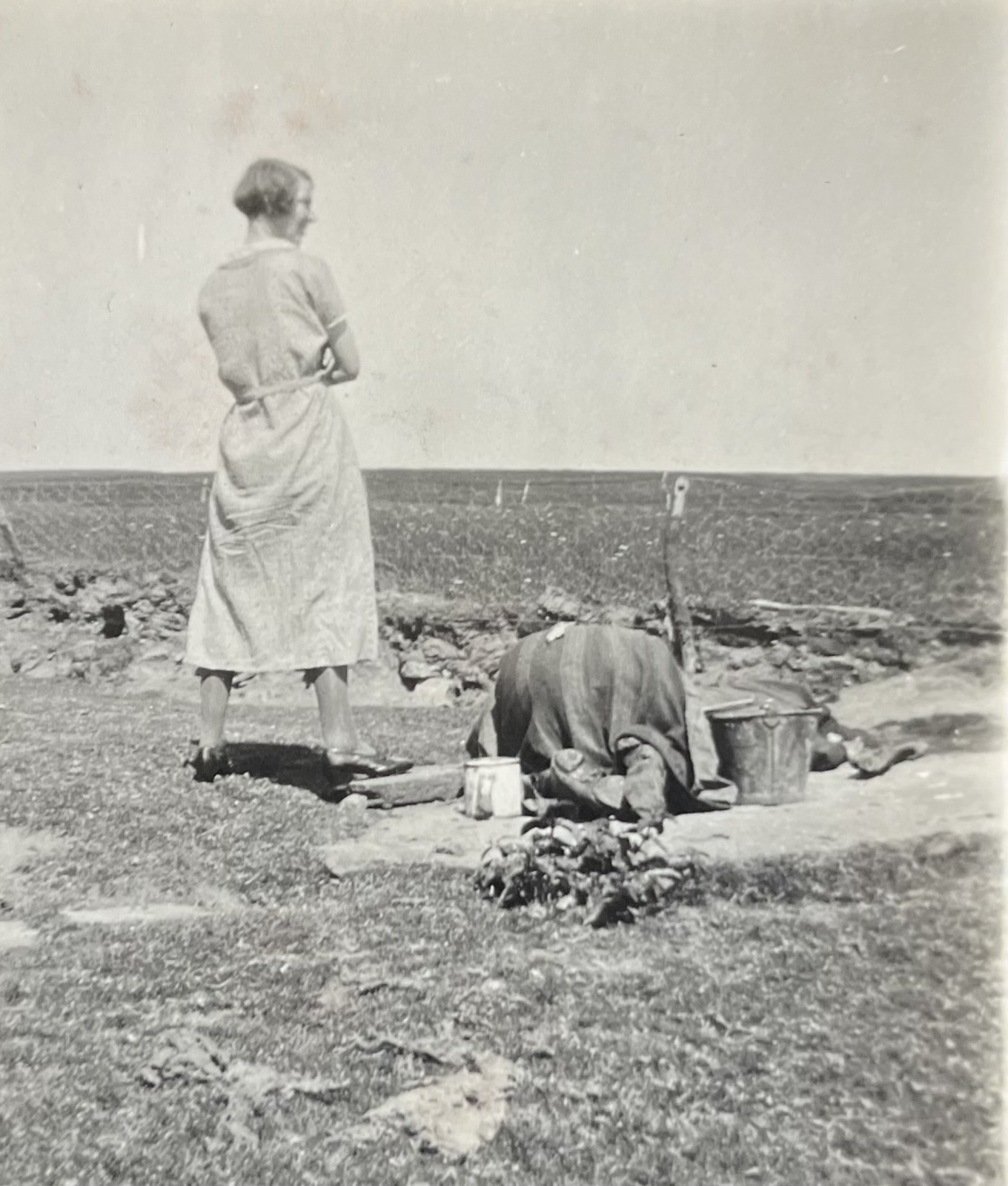
Lily Boddy looks on as Grandma Boddy crouches by the well behind the Hamer Inn

Lily Boddy, the last licensee of Hamer Inn (date unknown)

If you’re a regular reader you will know that David Ford has been seeking a picture of Hamer Inn before it became derelict. The inn used to stand on the road between Rosedale Abbey and Glaisdale.

He wrote: “My great grandfather Robert Ford was born there, along with several of his siblings…His brother Joseph wrote a book about life and times in Danby Dale…I would like a photo of Hamer when it was open as an inn.”

I may have some good news for David further down this column…

That writer, often referred to as Joseph Ford Junior, died in 1944, and his father, Joseph Senior, was the licensee of the inn in the mid-1800s during the iron ore boom. The last licensee was Lily Boddy, who took over the inn from her father in 1914 but, according to my dad, she gave up running it as a commercial premises in 1929, likely because the trade from the local iron mines had vanished as the iron boom ended, the last one closing at Rosedale East in 1926. From then on it was known as Hamer House, and the Boddys kept it as their home. As to exactly when and why it became derelict I still don’t know.

Now to the exciting bit – a descendant of Lily Boddy got in touch to say they had some photos of Hamer before it became derelict.

I was thrilled because, first of all, I was not sure any pictures existed, and secondly, the only pictures I’d seen were of it as a wreck. It is quite startling to think that it is almost a century since it was fully in tact, so discovering that some pictures exist is a real treat.

I have five photos in total, three of which show the building as it was, a typical construction of traditional moorland stone. Another shows a young Lily Boddy and (I think) her mother bent over the well that sat at the rear of the building (mentioned in a previous column), and another one is of Lily herself in her later years. I hope David will be pleased to see them, despite the fact they do not demonstrate it running as an inn. Nevertheless, I feel encouraged that having now found these, someone else may have more lurking somewhere yet to be discovered. Every little clue will help to build a fuller picture of the working life of Hamer Inn.

My son Joey and I drove over the moors to collect the photos, and as were were passing the site of Hamer decided to stop and see if we could find the corkseller’s grave that I mentioned a couple of weeks ago.

The corkseller was a regular visitor to Hamer, which had also been known as the Wayside Inn and the Lettered Board, and David Ford’s ancestors knew him well. One ferocious winter, he sadly succumbed to the elements and his body was found much later not far from the inn, his basket of corks lying nearby enabling him to be identified. Reader John Severs sent me a remarkable photo of the corkseller’s grave that he’d taken around 30 years ago, alongside directions to the spot.

There’d been a fair amount of snow the week before we decided to go, with quite a bit still lying in unmelted drifts across the ground. We had a thorough look around, following the directions John had given us, but sadly came up empty handed. Does anyone know if the grave is still visible?

One person who might is Janet Cochrane, editor of the North York Moors Association’s quarterly magazine, Voice of the Moors. After I’d mentioned the magazine in my column, Janet got in touch to offer me a copy. The association, which celebrated its 40th anniversary last year, safeguards the landscape and culture of the moors and works hard to protect this very precious corner of North Yorkshire.

Interestingly, the association was founded in 1985 by four people – Derek Statham, Gerald McGuire, Don Tilley and, would you believe it, Peter Walker!

I’m guessing it’s a different Peter Walker than my very own dad, otherwise he must have kept it very quiet!

Do you have opinions, memories or ideas to share with me? Get in touch with me using the ‘Contact’ button on the top right.

This column appeared in the Darlington & Stockton Times on Friday 13th  and the Ryedale Gazette and Herald on Wednesday 11th March 2026