I’ve been on one of those wonderful mystery quests sparked when a reader gets in touch with a fascinating personal story.
Margaret Redhead from Northallerton wrote to me saying: “I was interested in the article about the coypu and have a distant memory about a discovery in the River Exe in Tiverton which I estimate in the late 1940’s. I am now 80 so this is a childhood memory.”
South American coypus were a pest living wild in the British countryside from the late 1920s after many escaped from Norfolk & Suffolk fur farms. By 1980 they were troublesome to crops, on waterways and to our native otter and my dad had written a column expressing concern that they were out of control. Thankfully, following a long-term study, they were eradicated from our shores by 1989.
Margaret continued: “My grandfather was a well known fisherman and the River Exe was his patch. At the bottom of the garden was the leat (mill race) which enabled water to be channelled to the saw mills when required. He was always very observant to happenings and was curious when he saw a larger than usual rodent and spent several days observing. Eventually he managed to kill said rodent and this caused great debate, with many top people coming to view as to what this beast was…Eventually it was decided it must be a coypu and perhaps it had been transported in a load of timber as no others were ever sighted in the Exe.”
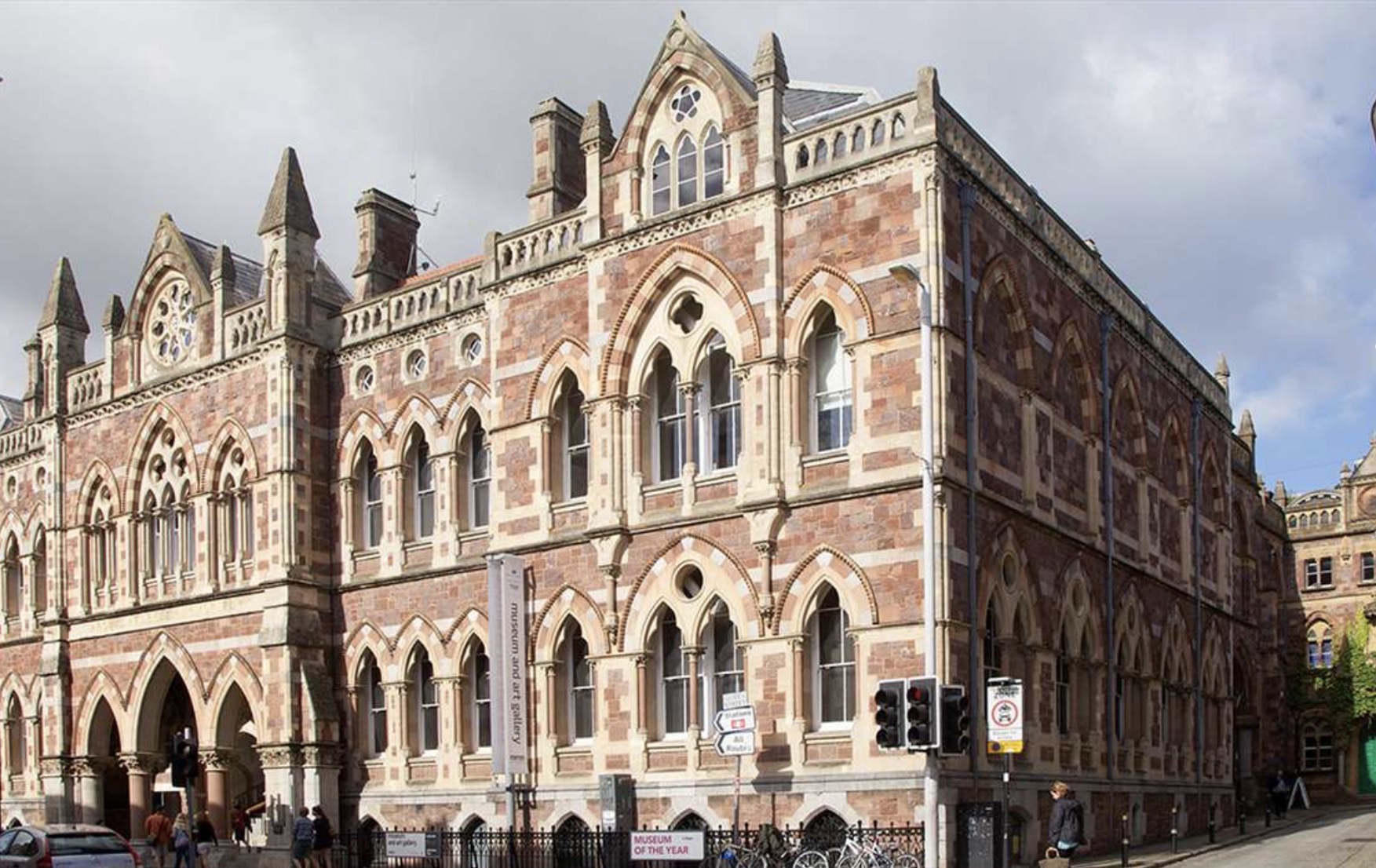
Margaret explained that the good folk of the locality felt that this ratty curiosity “should be viewed by many as nobody had ever seen such a thing, so it was sent to the taxidermist and donated to Exeter Museum to be displayed amongst the other large trout catches in the Exe donated by my grandfather.”
She recalled visiting the famous exhibit in the 1950s. “My childhood memory is still the ‘beast’ having the largest yellow teeth!…This exhibit has long been removed…on a visit some years ago, I wanted to show my husband, but alas I am not able.”
I wondered how the creature had come to be wandering the banks of the River Exe, so far from its native home. It was in the very early days of the coypu fur industry, and the bulk of that was in East Anglia, nowhere near Exeter. So was it an escapee, or was there another explanation?
I headed straight to my trusty source on such occasions – the British Newspaper Archive – in which you can narrow a search by keywords and dates. I started by inputting the words ‘coypu’ and ‘Exeter’ with date parameters from 1920 to 1950.
Thankfully, because there were very few matches, I immediately struck gold with a lengthy story in the Exeter and Plymouth Gazette from 25th April 1929 entitled: ‘Wild Animals at Exeter’.
It explained that ‘The largest zoological animal and bird dealer in the world’, a G. B. Chapman, was visiting the city with his collection of exotic wild creatures.
Despite the newspaper reassuring us that ‘All these animals and birds will be found gathered together in one happy family, well cared for and well looked after’, what he was doing would horrify us today. But more than that, what left me most aghast was the sheer number of animals he was transporting. Get this:
200 monkeys (various species), 14 lions, 10 zebras, 12 Bengal tigers, 10 polar bears, 8 brown and black bears, 7 leopards PLUS elephants, apes, hyenas, llamas, seals, Shetland ponies, kangaroos, sea lions snakes, parrots, penguins, peacocks and pelicans.
Are you thinking like me? How the heck can a 1920s travelling show adequately look after all these animals from so many different climates, and with so many different dietary needs, and all cooped up in wagons? The food bill alone must have been astronomical!
But there was one more animal which made me sit up and take notice – the coypu! It was featured on the vast list of curiosities. Could it be that one or two may have escaped, as they did from the fur farms around the same time?
And whatever happened to Margaret’s grandad’s stuffed coypu that he donated to the museum?
You’ll just have to wait for part two next week to find out!
Do you have opinions, memories or ideas to share with me? Get in touch with me using the ‘Contact’ button on the top right.
This column appeared in the Darlington & Stockton Times on Friday 20th and the Ryedale Gazette and Herald on Wednesday 18th Oct 2026

