Boddy of evidence for inn’s past history

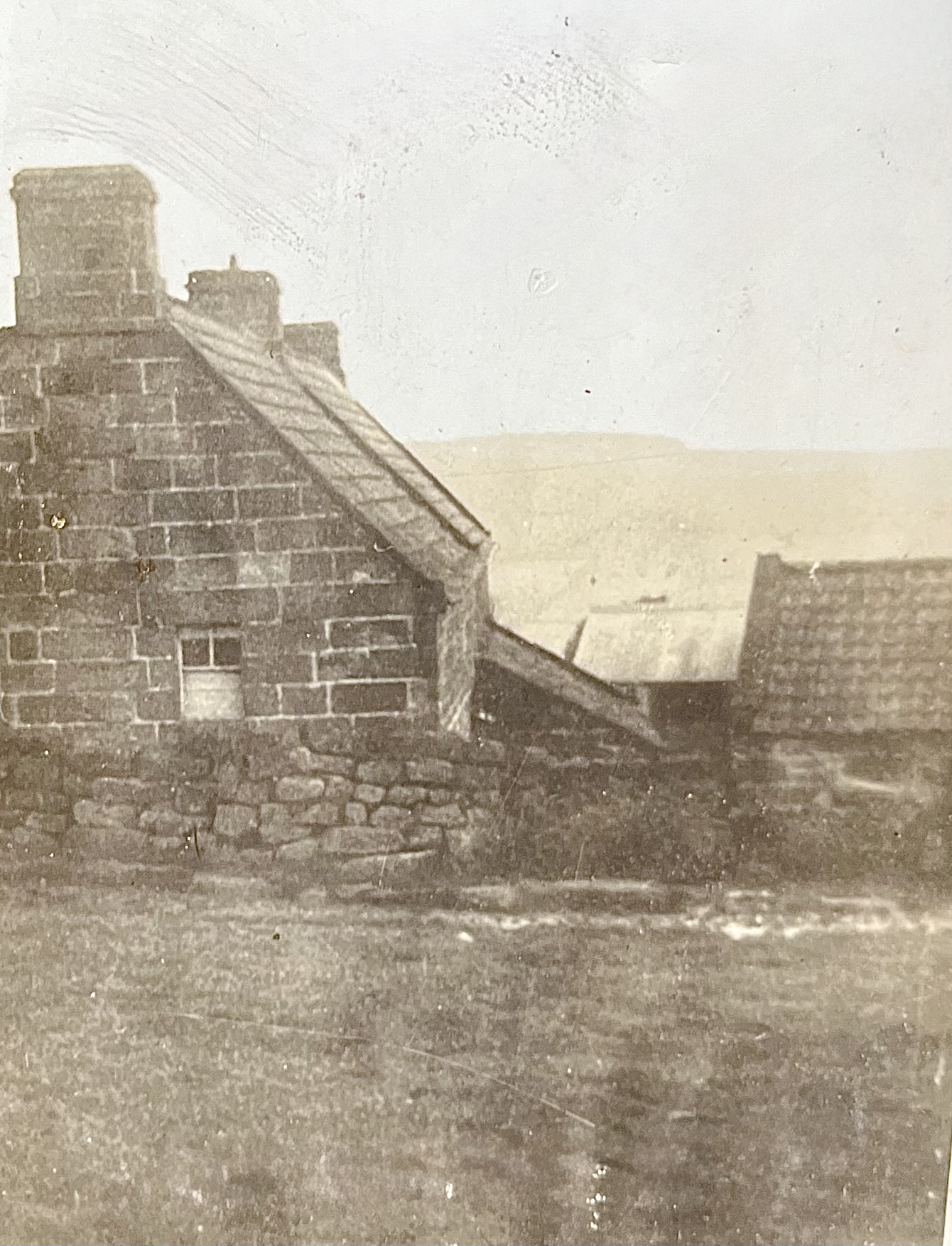
Hamer House on the North York Moors in the 1930s when Lily Boddy, the last licensee, lived there.
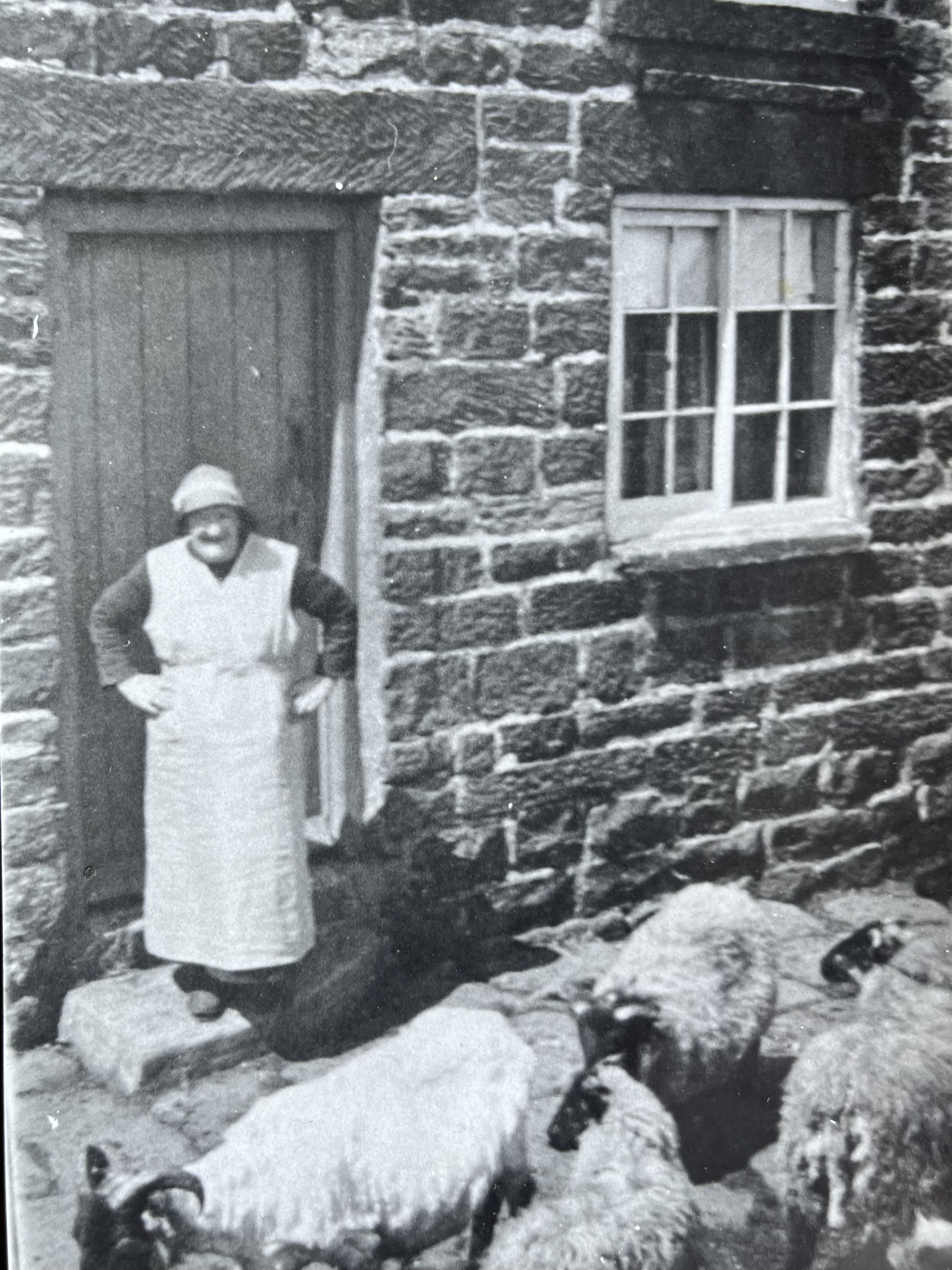
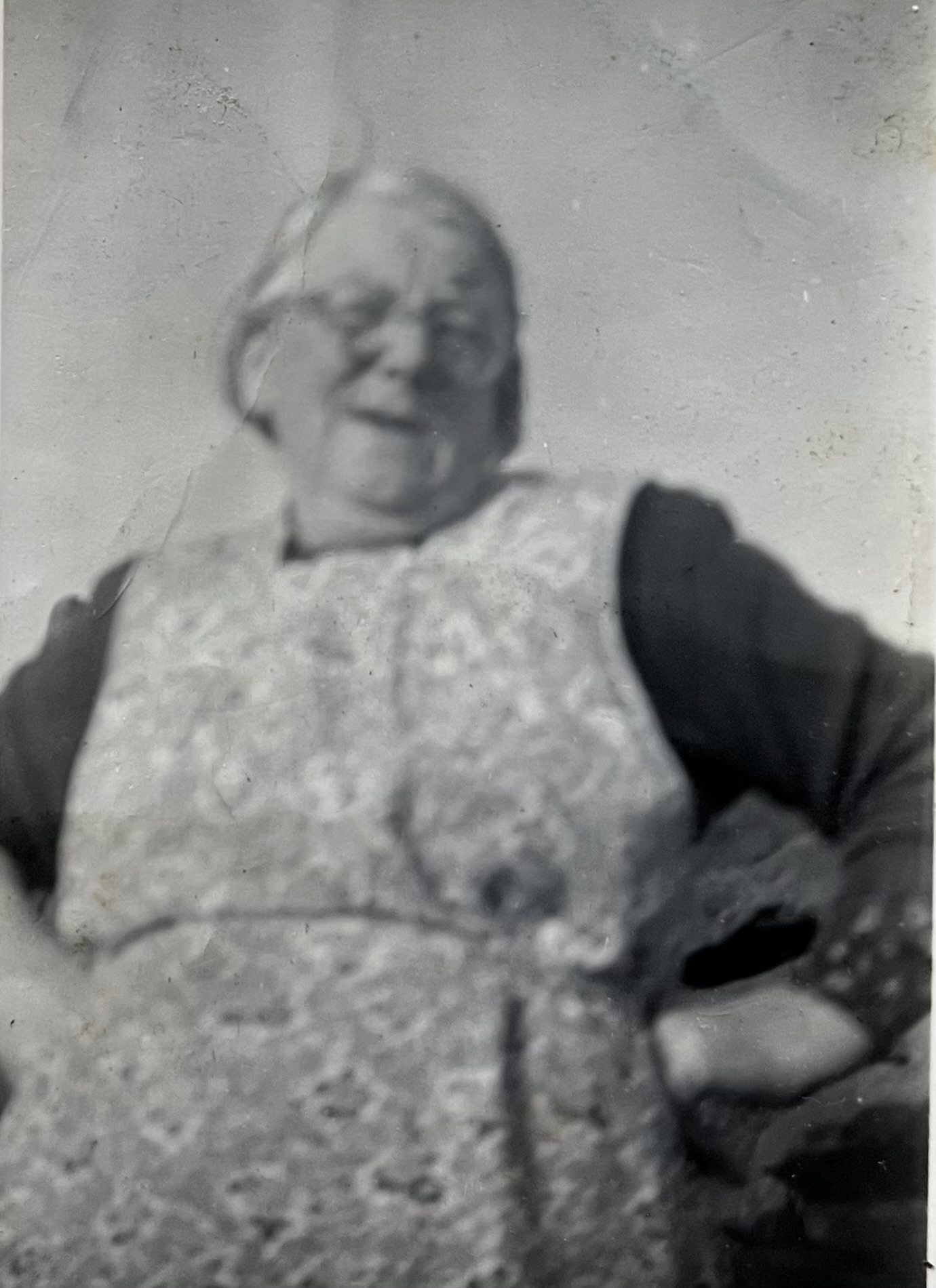
Granny Boddy outside Hamer House in the 1930s. Photo supplied by Peter Hanstock, York.
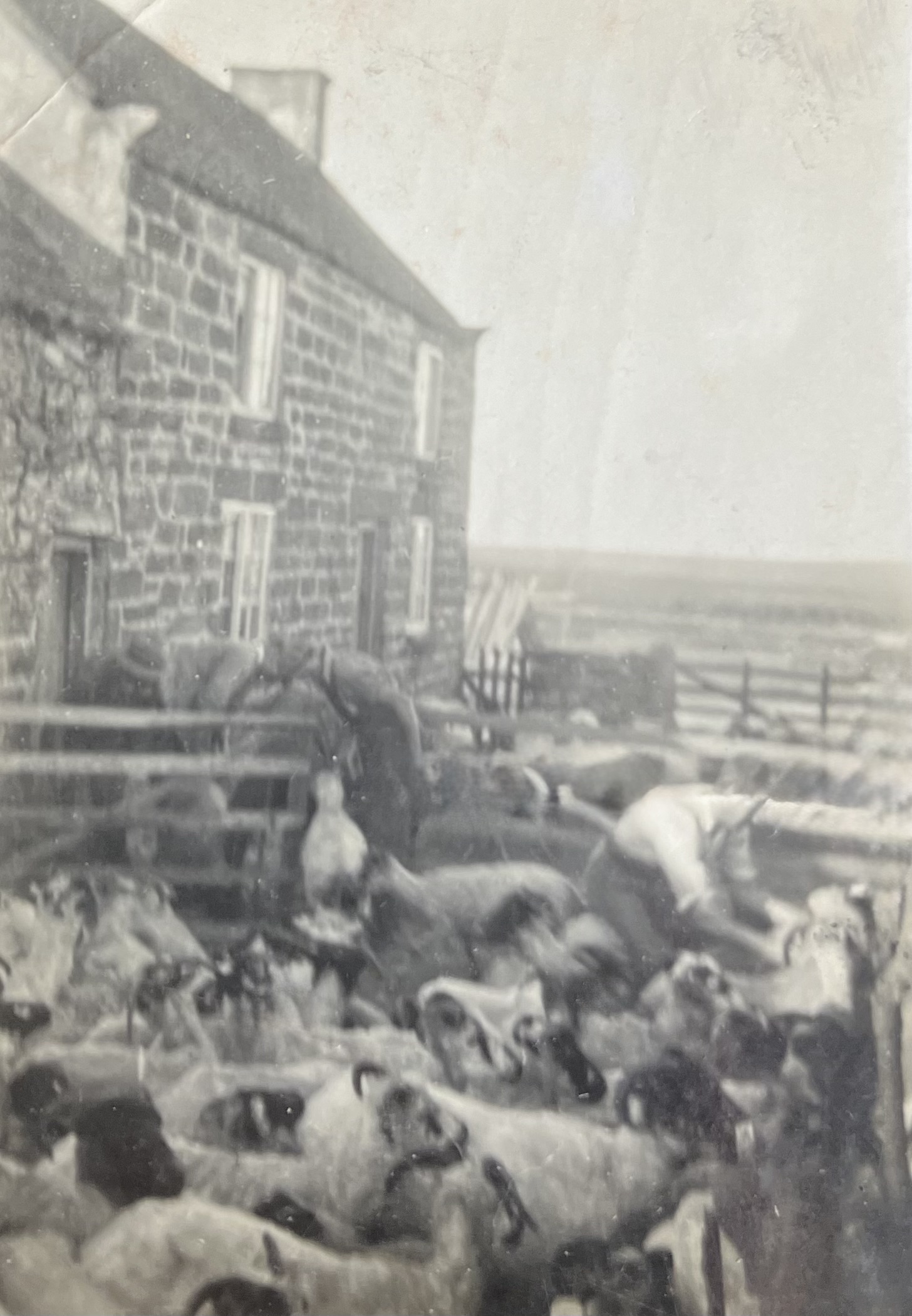
Sheep shearing at Hamer Inn
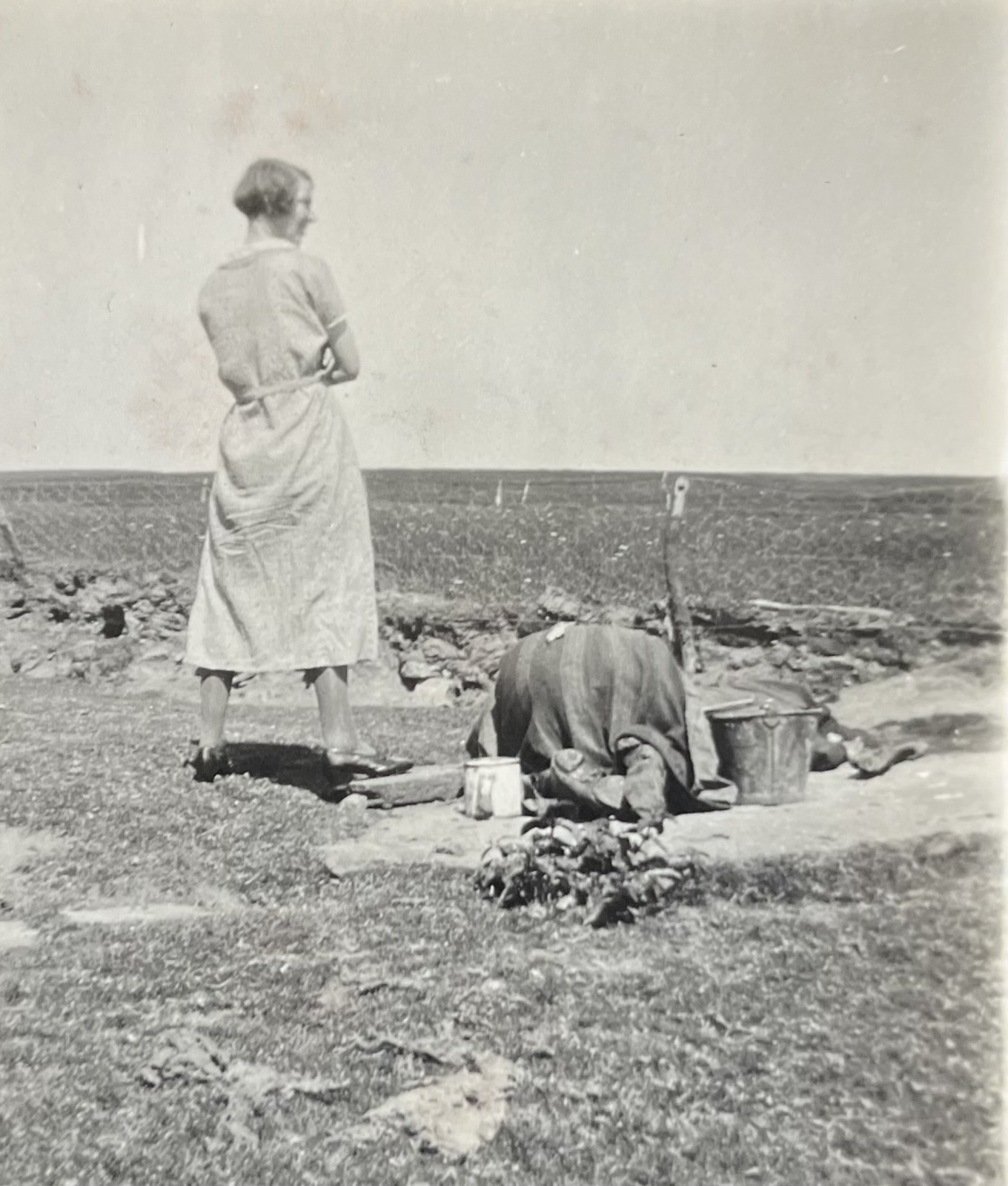
Lily Boddy looks on as Grandma Boddy crouches by the well behind the Hamer Inn
Lily Boddy, the last licensee of Hamer Inn (date unknown)

If you’re a regular reader you will know that David Ford has been seeking a picture of Hamer Inn before it became derelict. The inn used to stand on the road between Rosedale Abbey and Glaisdale.

He wrote: “My great grandfather Robert Ford was born there, along with several of his siblings…His brother Joseph wrote a book about life and times in Danby Dale…I would like a photo of Hamer when it was open as an inn.”

I may have some good news for David further down this column…

That writer, often referred to as Joseph Ford Junior, died in 1944, and his father, Joseph Senior, was the licensee of the inn in the mid-1800s during the iron ore boom. The last licensee was Lily Boddy, who took over the inn from her father in 1914 but, according to my dad, she gave up running it as a commercial premises in 1929, likely because the trade from the local iron mines had vanished as the iron boom ended, the last one closing at Rosedale East in 1926. From then on it was known as Hamer House, and the Boddys kept it as their home. As to exactly when and why it became derelict I still don’t know.

Now to the exciting bit – a descendant of Lily Boddy got in touch to say they had some photos of Hamer before it became derelict.

I was thrilled because, first of all, I was not sure any pictures existed, and secondly, the only pictures I’d seen were of it as a wreck. It is quite startling to think that it is almost a century since it was fully in tact, so discovering that some pictures exist is a real treat.

I have five photos in total, three of which show the building as it was, a typical construction of traditional moorland stone. Another shows a young Lily Boddy and (I think) her mother bent over the well that sat at the rear of the building (mentioned in a previous column), and another one is of Lily herself in her later years. I hope David will be pleased to see them, despite the fact they do not demonstrate it running as an inn. Nevertheless, I feel encouraged that having now found these, someone else may have more lurking somewhere yet to be discovered. Every little clue will help to build a fuller picture of the working life of Hamer Inn.

My son Joey and I drove over the moors to collect the photos, and as were were passing the site of Hamer decided to stop and see if we could find the corkseller’s grave that I mentioned a couple of weeks ago.

The corkseller was a regular visitor to Hamer, which had also been known as the Wayside Inn and the Lettered Board, and David Ford’s ancestors knew him well. One ferocious winter, he sadly succumbed to the elements and his body was found much later not far from the inn, his basket of corks lying nearby enabling him to be identified. Reader John Severs sent me a remarkable photo of the corkseller’s grave that he’d taken around 30 years ago, alongside directions to the spot.

There’d been a fair amount of snow the week before we decided to go, with quite a bit still lying in unmelted drifts across the ground. We had a thorough look around, following the directions John had given us, but sadly came up empty handed. Does anyone know if the grave is still visible?

One person who might is Janet Cochrane, editor of the North York Moors Association’s quarterly magazine, Voice of the Moors. After I’d mentioned the magazine in my column, Janet got in touch to offer me a copy. The association, which celebrated its 40th anniversary last year, safeguards the landscape and culture of the moors and works hard to protect this very precious corner of North Yorkshire.

Interestingly, the association was founded in 1985 by four people – Derek Statham, Gerald McGuire, Don Tilley and, would you believe it, Peter Walker!

I’m guessing it’s a different Peter Walker than my very own dad, otherwise he must have kept it very quiet!

Do you have opinions, memories or ideas to share with me? Get in touch with me using the ‘Contact’ button on the top right.

This column appeared in the Darlington & Stockton Times on Friday 13th  and the Ryedale Gazette and Herald on Wednesday 11th March 2026
Building family foundations

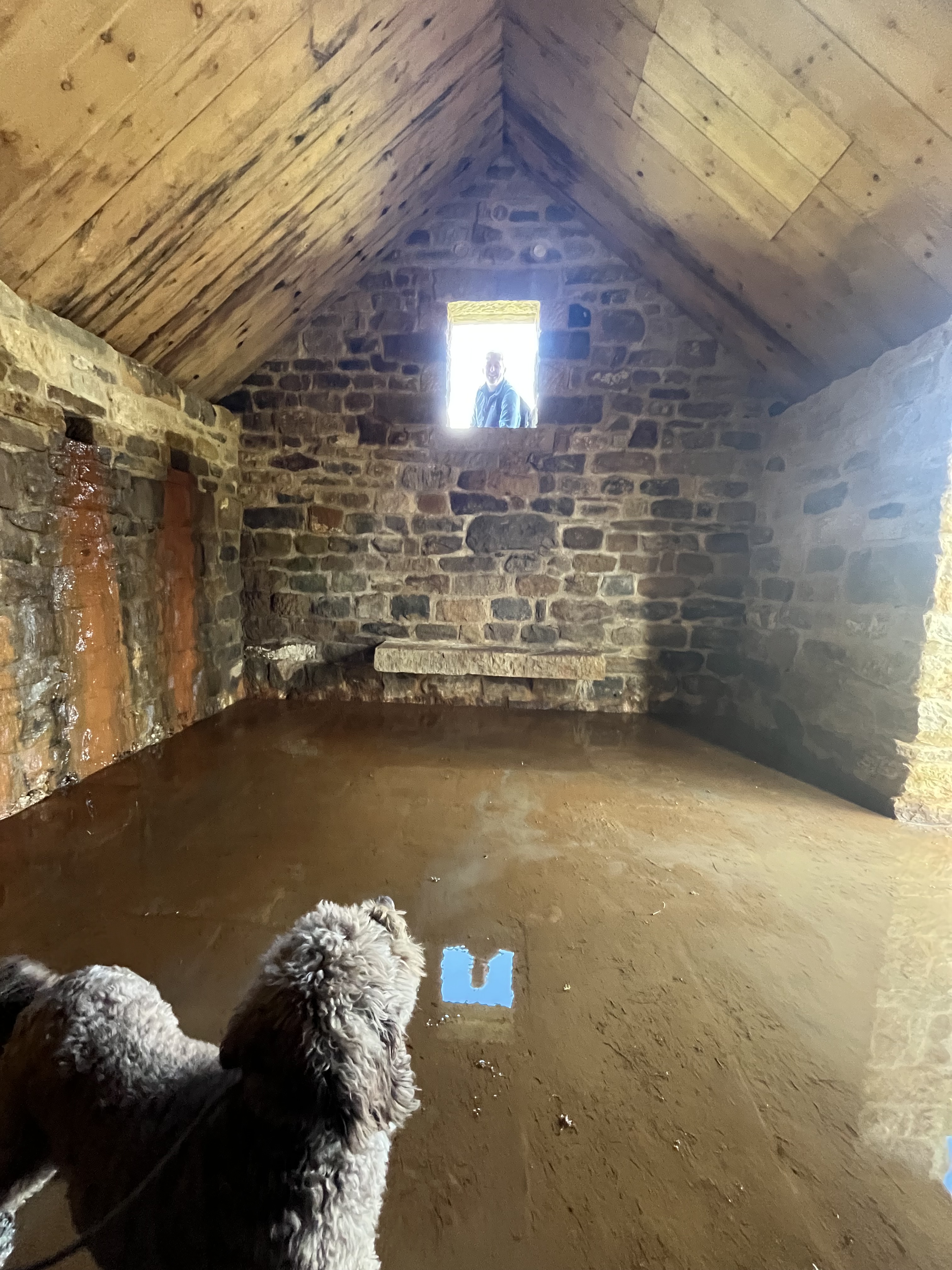
One of the buildings on the Hanging Stones Walk in Rosedale that Nick Harland helped to construct (that’s my friend Dave in the window, looking down at his confused dog Frank).
Andrew Goldsworthy gave Nick Harland this signed book with a hand-drawn picture of the Hanging Stones


I’ve been contacted by readers Ian and Catherine Wilson who had a great titbit about middle names. They wrote: “We would like to add an important advantage to ancestors having maiden names as middle names. When doing family history research the inclusion of a maiden name has often helped to confirm a link.”

I had never thought about that aspect before. They add: “McLaren is an ancestral name that is extremely common in Perthshire not helped by William passing through the generations. Thankfully one generation included Sorley as a middle name and it unlocked our research.”

It makes me think of all the hard work put in by my dad’s brother, Charles Walker, who spent huge amounts of time compiling our family tree. His side of the family had the common name of Walker, and my mum’s side had the even more common Smith. Trying to trace the correct members to create an accurate family tree was extremely tricky, especially when there were first names that were very popular among families of the North York Moors with the same surname. There were dozens of Johns, Henrys and Williams, and Mary’s, Hannahs and Helens too. Uncle Charles’ job was made slightly easier because some of the descendants were given maternal maiden names for middle names. My mum’s eldest brother, was Henry Harland Smith after his paternal grandmother, and her second brother was John Lacy Smith, from his mum’s maiden name. The name Lacy was passed down the next two generations to Henry’s son Richard, and on to his son Charles.

I don’t think this tradition was followed on my dad’s side of the family though, and tracing the Walker line did prove tricky as Uncle Charles wrote back in 2004: “I have a number of possible Walkers living around Lingdale/Skinningrove/Hinderwell. Can Peter remember any names of brothers/sisters of our Grandfather Walker?” He then lists a number of names of possible ancestors. Clearly, trying to sort out who was who was quite the task.

Funnily enough, I was contacted not long ago by Nick Harland, and we discussed whether we might be related through my mum’s side. As mentioned above, her paternal grandmother was a Harland – Edith Richardson Harland. Edith’s parents were William and Ann Harland, and as you might have guessed from Edith’s middle name, Ann’s maiden name was Richardson. Are you keeping up? This is just one tiny segment of our family tree, and I can imagine how mind-boggling it must be when you go down the rabbit hole of trying to piece it all together.

Nick and I didn’t know off the top of our heads if we were related, but that was not the reason he was getting in touch. He wrote: “My father Dennis Harland has often spoken about your dad over the years and I when I first started work, Mary Walker (my dad’s mother) often got me to do little jobs for her as she lived opposite the Glaisdale Institute…my dad’s parents used to live in Brinkburn, the house above where Mary used to live, opposite the institute.”

Nick has a link to the Andrew Goldsworthy ‘Hanging Stones Walk’ in Rosedale about which I wrote a couple of years ago. “All the ten Andy Goldsworthy projects which have been put together have been done with the help of our building firm,” he said.

The Hanging Stones Walk is an amazing feat of creativity, engineering and construction so I am hoping some time to chat more to Nick so he can explain how they did what they did. It is really an art project, rather than simply a walk, and is sponsored by the Ross Foundation (an organisation that supports initiatives related to art, community, sport, music and education) which commissioned sculptor Andrew Goldsworthy, famous for his spectacular pieces of land art. He transformed tumbling down agricultural buildings into amazing pieces that blend seamlessly into their moorland surroundings.

Nick finished by saying: “Another thing you touched on a while ago was about making stone troughs. I make a lot of stone troughs, up to five foot long. There is an easy way and a hard way but it is good fun seeing one completed.”

I think if Nick and I meet, we will have an awful lot to talk about!

Do you have opinions, memories or ideas to share with me? Get in touch with me using the ‘Contact’ button on the top right.

This column appeared in the Darlington & Stockton Times on Friday 19th and the Ryedale Gazette and Herald on Wednesday 17th Dec 2025